


Understanding Laser Cutting and Plasma Cutting
Laser cutting and plasma cutting are two advanced manufacturing processes used widely in the metal fabrication industry for cutting various materials with high precision and efficiency. Laser cutting operates by directing a high-powered laser beam at the material, which melts, burns, vaporizes, or is blown away by a jet of gas, leaving an edge with a high-quality surface finish. This method is renowned for its accuracy, speed, and versatility in cutting a wide range of materials including metals, plastics, and composites.
On the other hand, Plasma cutting utilizes an accelerated jet of hot plasma directed at the material to cut through electrically conductive metals such as steel, stainless steel, aluminum, brass, and copper. It is particularly valued for its ability to cut thick materials at relatively high speeds compared to other methods. However, it generally does not match the laser cutter in terms of cut quality or the ability to cut very intricate patterns.
Both methods serve distinct purposes and are selected based on factors such as material type, thickness, cut quality requirements, and cost-effectiveness, illustrating the need for a thorough evaluation before choosing the appropriate cutting technology for a specific application.
Key differences between laser and plasma cutting
- Precision and Cut Quality: Laser cutting provides higher precision and superior cut quality compared to plasma cutting. The laser cutter can achieve intricate details and complex patterns, making it ideal for applications requiring a high degree of accuracy, such as intricate designs on metal or plastic.
- Material Compatibility: While laser cutting is versatile and capable of cutting various materials, including metals, plastics, and composites, plasma cutting is specifically effective for electrically conductive metals. Therefore, the choice between the two methods may depend on the material to be cut.
- Thickness of Material: Plasma cutting is typically preferred for cutting thicker materials. This cutting method can handle thick metal plates more efficiently than laser cutting, which may experience limitations with extremely thick materials.
- Operational Costs: The operational cost of plasma cutting is generally lower than that of laser cutting. Plasma cutting equipment tends to be less expensive and consumes less energy compared to the high-powered lasers used in laser cutting.
- Cutting Speed: For medium-to-thick materials, plasma cutting can often achieve faster cutting speeds than laser cutting. However, for thin materials or applications requiring the utmost precision, laser cutting may be more effective despite its slower speed.
- Surface Finish: The surface finish achieved through laser cutting is typically smoother and requires less post-processing compared to the rougher edges often produced by plasma cutting. This can be a critical factor in applications where surface finish is a significant consideration.
- Heat-affected Zone (HAZ): Laser cutting generally produces a smaller heat-affected zone compared to plasma cutting. This means that laser cutting is less likely to cause thermal distortion or changes in material properties adjacent to the cut.
By understanding these key differences, manufacturers and fabricators can select the most suitable cutting technology for their specific needs, optimizing quality, efficiency, and cost-effectiveness in their projects.
Advantages of laser cutting over plasma cutting
The technological advancements in laser cutting provide it with several advantages over plasma cutting, particularly in aspects of precision, flexibility, and efficiency. Firstly, Precision: Laser cutting offers unparalleled precision and accuracy, capable of producing intricate cuts and detailed patterns on a variety of materials, including thin metals, plastics, and composites. This high level of accuracy reduces waste and improves material utilization.
Secondly, Flexibility: Laser cutters can easily switch between different materials and thicknesses without the need for tool changes, making them incredibly versatile for various applications. They are also capable of performing complex cuts, engraving, and marking operations, all with a single setup.
Thirdly, Material Distortion: Due to its minimal heat-affected zone, laser cutting significantly reduces the potential for material distortion, maintaining the integrity of the material and enabling more precise assembly of parts.
Furthermore, Automation and Speed: Advanced laser cutting systems are highly automatable, allowing for unattended operation and high productivity. For thin materials, laser cutting can achieve speeds far exceeding those of plasma cutting, streamlining the manufacturing process.
Lastly, Environmental Impact: Laser cutting is generally cleaner, with fewer emissions and lower energy consumption compared to plasma cutting. This contributes to a safer work environment and aligns with sustainable manufacturing practices.
By leveraging these advantages, industries requiring high precision and efficiency, such as aerospace, electronics, and automotive, can greatly benefit from laser cutting technologies, enhancing their production capabilities and achieving superior product quality.
Factors to consider when choosing between laser and plasma cutting
When selecting between laser and plasma cutting technologies for industrial applications, several critical factors must be considered to determine the most suitable method for specific requirements:
- Material Type and Thickness: Laser cutting provides superior results for a wide range of materials, including metals, plastics, and composites, and is especially effective for thinner materials. Plasma cutting, on the other hand, is more suitable for cutting thicker metal sheets.
- Cut Quality and Precision: Laser cutting offers high precision and smoother edges, resulting in finer detail and minimal finishing work. Plasma cutting may not achieve the same level of detail and could require additional processing to smooth edges.
- Processing Speed: For thinner materials, laser cutting can be significantly faster due to its high-speed capabilities and automated systems. Plasma cutting may be preferred for thicker materials where the speed advantage of laser cutting is less pronounced.
- Operational Costs: The operational costs of laser cutting systems are generally higher, considering factors such as equipment cost, maintenance, and energy consumption. Plasma-cutting systems can be less expensive to operate, making them attractive for applications where the extra precision of laser cutting is not necessary.
- Environmental Considerations: Laser cutting is known for producing fewer emissions and having a smaller heat-affected zone, which can contribute to a safer and cleaner work environment. Organizations prioritizing sustainable practices may find laser cutting more aligned with their environmental goals.
- Flexibility and Versatility: The ability to switch easily between different materials and thicknesses without requiring tool changes makes laser cutting exceptionally versatile for varied applications. However, the choice between laser and plasma cutting should also consider the specific types of cuts, engravings, or markings required by the project.
Considering these factors will help businesses and professionals in the aerospace, electronics, automotive, and other industries make informed decisions when choosing between laser and plasma cutting technologies, ensuring optimal performance and efficiency in their manufacturing processes.
Comparing Operating Costs of Laser and Plasma Cutters
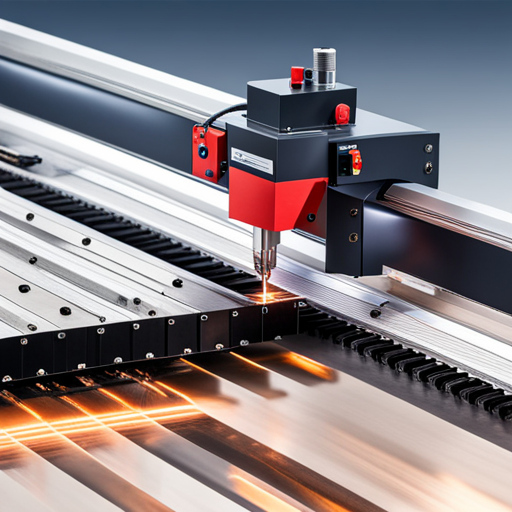
When comparing the operating costs of laser and plasma cutters, it is essential to consider several key factors that significantly influence the total cost of ownership and operation. Firstly, equipment purchase price plays a substantial role, with laser cutting systems typically requiring a higher initial investment than plasma cutting systems. This difference is attributed to the complexity and precision technology embedded in laser cutters.

Maintenance and operational expenses form the second major component. Laser cutters, due to their precision components and mechanisms, often entail higher maintenance costs. This includes routine servicing and replacement of key components such as lenses and mirrors. In contrast, plasma cutters, while still requiring maintenance, generally incur lower costs due to their less intricate design and operation.
Energy consumption also markedly impacts operational costs. Laser cutters, especially those utilizing CO2 lasers, consume significantly more power compared to plasma cutters. The energy requirement for laser cutters scales with the increase in cutting precision and thickness of materials, whereas plasma cutters maintain a more consistent energy usage rate across different materials and thicknesses.
Furthermore, consumables used in cutting processes affect overall costs. Plasma-cutting systems require the replacement of consumable parts more frequently than laser systems, which can add to the operational costs over time. However, the lower initial investment and maintenance costs can offset these expenses.
Understanding these aspects is critical for businesses and professionals when evaluating the cost-effectiveness of laser and plasma-cutting technologies for their specific applications. Decisions should be based on a comprehensive analysis of not only the upfront costs but also the long-term operational and maintenance expenses associated with each cutting technology.
Cost analysis: laser cutting vs plasma cutting
The financial aspect of choosing between laser cutting and plasma cutting technologies involves a multifaceted approach that considers not only the initial capital investment but also the operational and maintenance costs over the lifecycle of the equipment. Initial purchase cost is generally higher for laser cutting systems due to their complex design and the need for high-quality optics and precision mechanical components. Plasma cutters, being less complex, typically command a lower initial investment.
Operational costs, as highlighted, diverge significantly between the two technologies primarily due to energy consumption differences. Laser cutters, particularly CO2 laser systems, are more energy-intensive, leading to higher operational costs. This is compounded by the requirement for cooling systems to manage the heat generated by the laser process. In comparison, plasma cutters exhibit lower energy consumption which translates to reduced operational costs.
Maintenance and consumables further differentiate the cost-effectiveness of these technologies. Laser systems require frequent servicing and replacement of high-cost components such as lenses and mirrors. Plasma systems, while still necessitating maintenance, have less stringent demands and thus, incur lower costs related to consumables and routine upkeep.
For businesses weighing their options, the decision between laser and plasma cutting should consider not only the technology’s compatibility with their specific cutting needs and material types but also a detailed cost analysis of the equipment’s expected service life. Factors such as desired precision, material thickness, and initial budget constraints should guide this decision-making process to optimize cost-efficiency while meeting operational requirements.
Long-term maintenance expenses of laser and plasma cutters
When considering the long-term maintenance expenses of laser and plasma cutters, it is crucial to factor in the cumulative costs associated with upkeep, replacement parts, and potential downtimes. Laser cutters, known for their precision, also demand meticulous maintenance to ensure optimal performance. This includes regular cleaning of optics to prevent damage and ensure accuracy, as well as replacement of components like lenses and mirrors that can wear out over time. Consequently, businesses can expect a higher frequency of maintenance-related expenditures compared to plasma cutting systems.
Plasma cutters, while generally more robust and requiring less delicate handling, still necessitate routine maintenance to maintain efficiency and safety. Consumables such as electrodes and nozzles will require periodic replacement due to wear and tear. However, the overall maintenance costs are often lower than those of laser cutters, primarily because of the less complex nature of plasma cutting systems and the lower cost of replacement parts.
Furthermore, the operational environment can influence maintenance needs. For instance, laser cutters operating in environments with significant dust or particulate matter may encounter more frequent maintenance requirements, while plasma cutters, being more tolerant to such conditions, might not. Ultimately, a comprehensive understanding of each technology’s maintenance demands, aligned with the specific operational ecosystem, is essential for accurately projecting long-term maintenance expenses and ensuring the reliability and efficiency of the cutting equipment.
Efficiency and cost-effectiveness of fiber laser cutting machines
Fiber laser cutting machines stand out due to their remarkable efficiency and cost-effectiveness, characteristics that are primarily attributed to their unique operational mechanics. These machines utilize a fiber optic cable to amplify the laser beam, resulting in higher cutting speeds and cleaner cuts compared to traditional cutting technologies. This efficiency not only accelerates production timelines but also reduces the energy consumption per cut, directly impacting operational costs positively.
The initial investment in fiber laser technology can be substantial; however, the long-term savings are significant. Reduced energy requirements, coupled with lower maintenance needs due to fewer moving parts and the absence of laser gas, contribute to a lower total cost of ownership. Furthermore, the precision and consistency of cuts achieved with fiber laser machines reduce material wastage, further enhancing their cost-effectiveness.
Fiber laser cutters are also versatile, capable of cutting a wide range of materials with minimal setup time, thereby increasing machine uptime and productivity. Their advanced automation capabilities allow for seamless integration into existing manufacturing processes, optimizing workflow and reducing labor costs.

Given these advantages, businesses focusing on precision cutting of metals and other materials may find that the efficiency and cost-effectiveness of fiber laser cutting machines not only justify the initial investment but also provide a competitive edge in the marketplace.
Optimizing Metal Cutting Efficiency with Laser and Plasma Technology
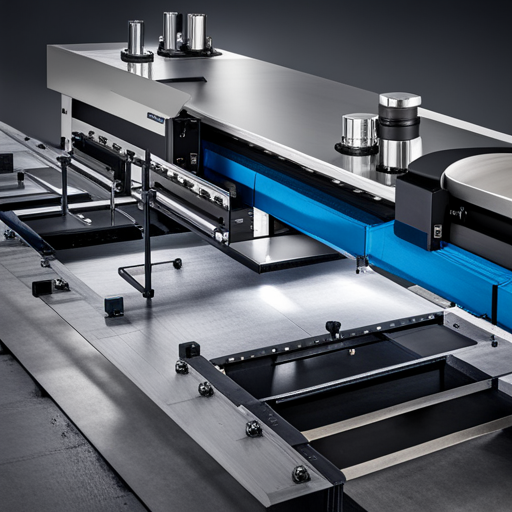
While fiber laser technology represents a significant advancement in metal cutting efficiency, plasma cutting systems also play a pivotal role in the industrial fabrication sector. Plasma cutting, utilizing a high-velocity jet of ionized gas at temperatures exceeding 20,000°C, efficiently cuts through electrically conductive materials with high speed and precision. This method is particularly advantageous for thicker metal sheets where laser cutting might not be as effective or economical.
Both plasma and laser cutting technologies offer unique benefits and are suited to different applications based on material type, thickness, and desired finish. Laser cutters excel in delivering high precision and clean edges for thinner materials, making them ideal for intricate designs and high-quality finish requirements. Conversely, plasma cutters are generally favored for their speed in cutting thicker materials and their capability to handle larger-scale projects with less concern for the fineness of the cut edge.
To optimize metal-cutting efficiency, manufacturers should consider the specific requirements of their projects, including material type, thickness, precision needs, and budget constraints. Incorporating a combination of laser and plasma-cutting technologies into the manufacturing process can provide a versatile and cost-effective solution, enabling businesses to maximize productivity and meet diverse customer needs. Furthermore, ongoing advancements in both laser and plasma technology continue to expand their applications, improve precision, and reduce operational costs, highlighting the importance of staying abreast with the latest developments in cutting technology.
Understanding the role of CNC technology in laser and plasma cutting
Computer Numerical Control (CNC) technology plays a pivotal role in enhancing the capabilities of laser and plasma cutting systems, elevating both precision and efficiency. CNC technology facilitates the automation of the cutting process, allowing for intricate patterns and complicated designs to be executed with high accuracy. This is achieved by translating digital designs into numerical codes, which control the movement of the cutting head along the specified paths. The integration of CNC with laser and plasma cutters not only minimizes human error but also significantly reduces the time required for setup and execution of cuts. Additionally, CNC technology enables the optimization of material usage through advanced nesting algorithms, thereby reducing waste and lowering operational costs. The ability to rapidly and accurately replicate designs ensures that CNC-integrated cutting systems are indispensable for industries requiring precision pieces in high volumes or custom designs with complex geometries.
Utilizing gas types like nitrogen for cutting various materials
The selection of gas type plays a crucial role in the efficiency and quality of cuts produced by both laser and plasma cutting systems. Nitrogen, in particular, stands out for its application in cutting various materials. Its properties enable it to produce cleaner cuts by preventing oxidation, which is especially beneficial when processing metals like stainless steel and aluminum. Unlike oxygen, which can enhance the burning process in laser cutting, nitrogen works to displace oxygen from the cut area, thereby reducing the risk of oxidation and producing a smooth, high-quality edge. This characteristic is essential for applications where the aesthetic quality of the cut edge and the prevention of surface contamination are paramount. Furthermore, when used in plasma cutting, nitrogen can be beneficial for achieving high-quality cuts in thicker materials, where the precision and smoothness of the cut edges are critical. However, the choice of cutting gas, including the decision to use nitrogen, must consider factors such as material thickness, the specific material being cut, and the desired outcomes in terms of cut quality and operational efficiency. Ultimately, the optimized use of nitrogen and other gases in laser and plasma cutting operations can lead to significant improvements in product quality, operational efficiency, and cost-effectiveness.
Comparing cut speed and precision of laser vs plasma cutting machines
When comparing the cut speed and precision of laser and plasma cutting machines, several crucial factors come into play. Laser cutting machines are renowned for their ability to deliver high precision and intricate cuts, especially on thin-to-medium thickness materials. This precision is attributed to the laser beam’s narrow focus, which can be finely controlled to achieve detailed patterns and tight tolerances. Furthermore, laser-cutting machines generally demonstrate faster cut speeds on materials of up to a certain thickness, making them highly efficient for specific applications that demand precision and speed.
On the other hand, plasma cutting systems excel in their ability to rapidly cut through thick metal sheets and are favored for applications where material thickness surpasses the efficient range of laser cutting. Although plasma cutting cannot match the laser’s precision, especially on very fine details, it offers a competitive edge in speed when handling thicker materials. This makes plasma cutting an ideal choice for projects that require fast production times for materials at or beyond the range where laser cutting efficiency starts to decline.
In summary, the choice between laser and plasma cutting systems depends heavily on the specific requirements of the project, including the thickness of the materials to be cut, the precision required in the cuts, and the importance of cut speed for the overall production process. Each system has its distinct advantages; laser cutting excels in precision and efficiency on thinner materials, while plasma cutting offers superior speed on thicker materials without the high precision of laser systems.
Distinguishing Between Plasma and Laser Cutting Processes
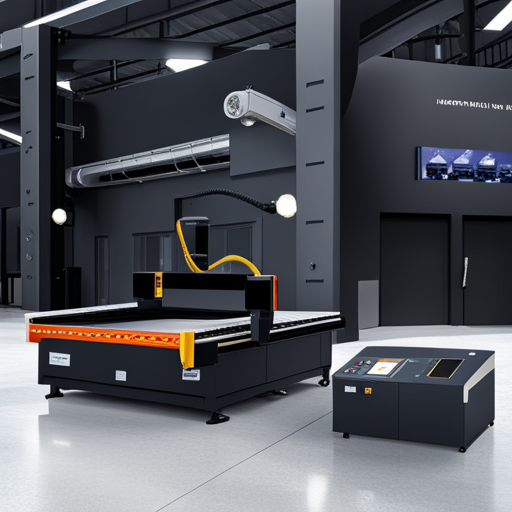
The distinction between plasma and laser cutting processes primarily revolves around the mechanisms of operation, material compatibility, and the resulting quality and precision of cuts. Plasma cutting utilizes a high-velocity jet of ionized gas heated to an extremely high temperature to melt and expel material from the cut. This method is particularly effective for cutting through thick metal sheets, including steel, stainless steel, and aluminum, providing a cost-effective solution for heavy industrial applications.
Laser cutting, on the other hand, employs a high-powered laser beam focused onto a small area of the material to melt, burn, or vaporize it. This technique allows for a high degree of precision and is suitable for a range of materials including metals, plastics, wood, and glass. The precision and versatility of laser cutting make it ideal for applications requiring detailed work and tight tolerances, such as intricate designs in the automotive and aerospace industries.
When comparing these cutting processes, considerations include the material type and thickness, cut quality, operational costs, and application requirements. Plasma cutting offers an advantage in speed and cost-effectiveness for thicker materials, whereas laser cutting is preferred for precision, detail, and flexibility across a variety of materials. Ultimately, the choice between plasma and laser cutting processes will depend on the specific needs of a project, balancing factors such as accuracy, material specifications, and budget constraints.
Exploring the use of lasers and plasma in cutting thick materials
In the realm of cutting thick materials, both laser and plasma technologies present unique advantages tailored to specific industrial requirements. The applicability of these cutting methods varies significantly depending on the material thickness, as well as the desired quality of the cut. For instance, plasma cutting, with its ability to generate a high-velocity jet of ionized gas, stands out when working with metal sheets over 1 inch thick. Its efficiency in cutting through thick materials swiftly, without compromising on speed, renders it highly suitable for large-scale manufacturing processes that prioritize efficiency and cost-effectiveness.
Conversely, laser cutting showcases unparalleled precision with its concentrated laser beam, producing intricate cuts with smooth finishes. This precision becomes increasingly salient in the context of cutting materials less than 1 inch thick, where the intricacy of designs and the necessity for minimal material wastage are paramount. The versatility of laser technology extends its applicability beyond metals to include various other materials, such as plastics and glass, further solidifying its position in industries demanding detailed work, like electronics manufacturing and aerospace engineering.
Despite their distinct operational domains in cutting thick materials, recent advancements have expanded the capabilities of both plasma and laser cutting technologies. Innovations in power output, control systems, and process efficiency have broadened the applicability of these methods, challenging traditional thickness limitations. Consequently, the choice between plasma and laser cutting in industrial applications now requires a nuanced understanding of material properties, project specifications, and technological advancements, ensuring optimal selection for specific manufacturing needs.
Examining the differences in consumables and nozzle requirements
Examining the differences in consumables and nozzle requirements between plasma and laser cutting technologies is critical for understanding their operational efficiency and maintenance demands. Plasma cutting systems rely on a combination of consumables including electrodes, nozzles, and shields, which are subject to wear and need regular replacement to maintain optimal cutting performance. The condition of these consumables directly affects cut quality, precision, and operational costs, making regular inspection and maintenance paramount for operational efficiency.
On the other hand, laser cutting systems, particularly those utilizing fiber lasers, are generally associated with lower consumable costs. The primary consumable in a laser cutter is the laser gas in CO2 lasers, or the focusing lens and mirrors that may require cleaning or replacement over time. However, the longevity of these components significantly surpasses that of plasma-cutting consumables, contributing to lower overall maintenance costs and downtime. Additionally, the requirements for laser cutting nozzles vary depending on the specific application and material thickness, requiring less frequent changes but a higher degree of precision in selection to ensure optimal cut quality.
The contrast in consumable and nozzle requirements between these two technologies highlights the balance between initial investment costs and ongoing operational expenses. Industries must weigh these factors against their specific cutting requirements and production volumes to determine the most cost-effective and efficient cutting solution.
Optimizing cut quality and efficiency for metal fabrication with laser and plasma
Optimizing cut quality and efficiency in metal fabrication, when employing either laser or plasma cutting systems, involves a thorough understanding of both the capabilities and limitations of the respective technologies. For plasma cutting systems, achieving optimal cut quality hinges on maintaining proper alignment and condition of consumables, as well as regulating the right gas flow and cutting speed. Precision in these aspects can significantly reduce dross and enhance the smoothness of the cut edges. On the other hand, optimizing laser cutting performance requires meticulous calibration of laser power, cutting speed, and focus position. Adjusting these parameters allows for the fine-tuning of the laser beam, ensuring clean cuts and minimal thermal distortion even in complex or intricate cut geometries.
Furthermore, the integration of advanced software and control systems plays a crucial role in augmenting the efficiency of these cutting technologies. Automating the cutting process through computer numerical control (CNC) can drastically minimize human error and increase repeatability, leading to improvements in both productivity and material utilization. Additionally, predictive maintenance strategies, powered by data analytics and machine learning algorithms, can foresee and mitigate potential equipment failures, thus reducing downtime and prolonging the lifecycle of critical components.
In conclusion, by meticulous management of machine parameters, regular maintenance, and leveraging automation and data analytics, industries can significantly elevate both the cut quality and operational efficiency of metal fabrication processes using laser and plasma cutting technologies.
Frequently Asked Questions
Q: What are the main differences between laser and plasma cutters?
A: Laser cutters use a focused beam of light to cut materials, while plasma cutters use a stream of ionized gas to cut through metal.
Q: Which is more suitable for cutting thick metal sheets, a plasma cutter or a laser cutter?
A: Plasma cutters are generally more suitable for cutting thick metal sheets, as they can produce a more powerful cutting force compared to laser cutters.
Q: How do CNC plasma cutting machines compare to CNC laser cutting machines?
A: CNC plasma cutting machines are often preferred for cutting thicker materials, while CNC laser cutting machines are typically more precise and suitable for cutting thinner materials.
Q: What is the cost difference per cut between using a plasma and a laser cutter?
A: The cost per cut is usually lower when using a plasma cutter than a laser cutter, making it a more cost-effective option for certain applications.
Q: Can both plasma and laser cutters cut a variety of materials besides metal?
A: Yes, both plasma and laser cutters are capable of cutting a wide variety of materials, including wood, plastic, and even some reflective materials.
Q: What type of gas is used in a plasma cutter?
A: Plasma cutters typically use compressed air or a mixture of gases such as oxygen, nitrogen, or argon to generate the plasma arc needed for cutting through metal.
Q: How does the kerf differ between plasma and laser cutting?
A: The kerf, or width of the cut, is generally wider when using a plasma cutter compared to a laser cutter, which may impact the precision of the cut depending on the application.
References
- American Welding Society (AWS) – “Laser and Plasma Cutting Handbook”:
- AWS provides a comprehensive guide covering both laser and plasma-cutting technologies. This resource includes technical specifications, operational guidelines, and efficiency comparisons.
- The Fabricator – “Choosing Between Plasma and Laser Cutting Systems” Article:
- An online article talks about the considerations one must make when choosing between laser and plasma cutting systems, touching on aspects of precision, material type, and operational costs.
- ScienceDirect – “Comparative Analysis of Laser and Plasma Cutting Techniques” (Journal Article):
- This peer-reviewed journal article presents a detailed comparative study on laser and plasma cutting, focusing on cut quality, speed, and operational efficiency across different materials.
- Lincoln Electric – “Introduction to Plasma and Laser Cutting Technologies” (Manufacturer’s Educational Content):
- Lincoln Electric offers in-depth educational content that includes technical specifications, best practices, and the advantages of using their plasma and laser cutting systems.
- MetalForming Magazine – “Key Factors to Consider when Selecting a Cutting System”:
- This article provides insights into the factors affecting the choice between plasma and laser cutting, with a focus on application-specific considerations, including material type and thickness.
- Fabricating & Metalworking – “How to Optimize Your Plasma or Laser Cutting Operation” (Blog Post):
- A blog post offering technical advice on optimizing cutting operations, with a detailed discussion on maintenance, calibration, and parameter adjustments for both cutting technologies.
- IEEE Xplore – “Efficiency and Precision in Metal Cutting: Laser vs. Plasma” (Conference Paper):
- This conference paper discusses the results of empirical studies comparing the efficiency and precision of laser and plasma cutting methods, including implications for industrial applications.
- Machinery Manufacturer XYZ’s Official Website – “Laser vs. Plasma Cutting Guide”:
- A guide provided by a leading manufacturer of cutting machinery, offering insights into the capabilities, limitations, and ideal applications of both cutting technologies.
- Practical Machinist – “Laser vs. Plasma Cutting: Which One Do You Need?” (Forum Discussion):
- A discussion thread in a professional machinist forum where experienced operators share their personal experiences, tips, and recommendations concerning laser and plasma cutting systems.
- ResearchGate – “Technological Advancements in Laser and Plasma Cutting Systems” (Research Article):
-
- A research article that explores the latest technological advancements and trends in laser and plasma cutting, analyzing their impact on material processing and manufacturing efficiency.
Recommended Reading: How Thick Can Laser Cut Steel


