


What is a Cricut Laser Cutter?
A Cricut Laser Cutter is a cutting-edge device designed to slice through a multitude of materials with precision and ease. Utilizing laser technology, this device allows users to make intricate designs and shapes with impeccable accuracy. It’s a popular choice among craft enthusiasts, DIY creators, and professionals alike, due to its versatility in handling materials such as fabrics, vinyl, thin wood, and even leather. The Cricut laser cutter stands out for its user-friendly interface, compact design, and the ability to integrate with design software, making it a valuable tool for creative projects.
Understanding the basic functionality of the Cricut Laser Cutter
The basic functionality of the Cricut Laser Cutter revolves around three key stages: design, set up, and cut. In the design stage, users can create or upload their designs using compatible software like Cricut Design Space. This software enables users to manipulate their designs, adjust sizes, and select different cutting patterns. In the setup stage, users load their chosen material into the device, adjust the cutting depth based on the material type, and ensure the design is properly aligned. Finally, in the cutting stage, the device employs its laser technology to precisely cut the design onto the material. The Cricut Laser Cutter also features a smart set dial that ensures the correct depth and pressure while cutting different materials. Overall, the device encapsulates a harmonious blend of technology and creativity, allowing users to bring their unique designs to life.
Key features and capabilities of the Cricut Laser Cutter
The Cricut Laser Cutter comes loaded with an array of notable features and capabilities that enhance its functionality and user experience. One of its standout features is the Fine-Point Blade. This German carbide premium blade is designed for precision, able to cut a wide range of materials from lightweight paper to medium-weight cardstock. Another key feature is the Wireless Connectivity. The device is equipped with Bluetooth technology allowing for a clutter-free space and the ability to control the device remotely. The Fast Mode option is also worth mentioning as it allows the machine to work up to twice as fast on vinyl, iron-on, and cardstock, significantly saving on project time. Further enhancing its capabilities, the Cricut Laser Cutter also features Print Then Cut. This function enables users to print their designs using a home printer and then have the Cricut machine cut around the design. Finally, the machine’s integration with Cricut Design Space software adds to its convenience, allowing users to easily create, import, and edit designs before sending them to the cutter.
Exploring the versatility of materials Cricut Laser Cutter can handle
The Cricut Laser Cutter exhibits remarkable versatility in handling a wide spectrum of materials, expanding the horizons for creativity and craftsmanship. It can smoothly cut through Lightweight Materials such as vellum, vinyl, and paper. Not only lightweights, but the cutter also effectively handles Medium Weight Materials. It can cut cardstock, heat-transfer vinyl, and adhesive foils with precision, providing clean and detailed cuts. Besides these, the device manages Heavy Weight Materials like specialty cardstock, poster board, and iron-on transfers. Its ability to finely cut even intricate designs on these denser materials showcases its impressive performance. Furthermore, the cutter can take on Non-Paper Materials too. Fabrics, thin leather, and balsa wood are some of the non-paper materials that the Cricut Laser Cutter can handle, broadening the scope for various crafting and DIY projects.
Comparing Cricut Laser Cutter with traditional cutting machines
When compared to traditional cutting machines, the Cricut Laser Cutter stands apart due to its advanced technology and user-friendly features. Traditional cutting machines often require manual adjustments, a laborious task that can lead to inaccuracies and inconsistencies. On the other hand, the Cricut Laser Cutter leverages digital technology to deliver precise cuts with minimal user intervention. Additionally, traditional cutters may struggle with complex designs or dense materials, whereas the Cricut cutter, with its robust capabilities, can handle both with ease. The machine’s integration with the Cricut Design Space software is also a significant advantage, allowing users to quickly edit and execute designs. In contrast, traditional machines often lack such software integration, requiring more time and effort from the user. Lastly, the range of materials the Cricut Laser Cutter can handle—from lightweight vellum to dense poster board—far exceeds that of conventional cutting machines, allowing for greater scope in creativity and project diversity.
Is Cricut Laser Cutter suitable for personal or business use?
The Cricut Laser Cutter is suitable for both personal and business use. For hobbyists and craft enthusiasts, its advanced cutting capabilities and broad range of material compatibility open up new avenues for creative exploration. The user-friendly features, including digital controls and the integrated Cricut Design Space software, make it easy to execute even complex designs, transforming crafting into an enjoyable and hassle-free experience.
For businesses, especially in the arts and crafts sector, the Cricut Laser Cutter can be a valuable asset. Its precise cutting on a diverse range of materials ensures consistent, high-quality results, which are crucial for maintaining product standards in a commercial setting. Additionally, the machine’s scalability and efficiency can help businesses meet high-volume orders, thus offering a substantial boost to productivity.
Benefits of Using a Cricut Laser Cutter
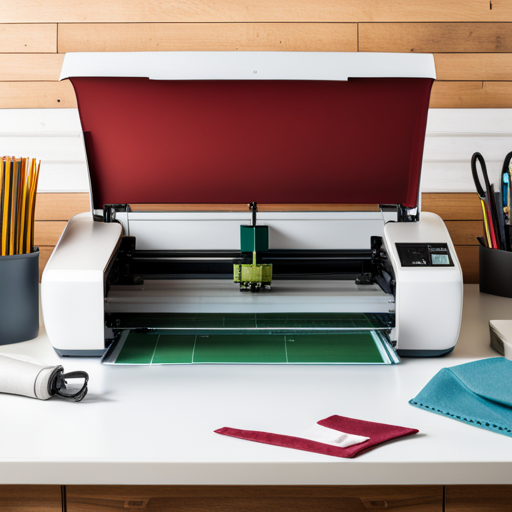
- Precision Cutting: The Cricut Laser Cutter executes accurate and intricate cuts, ensuring a high degree of precision in every project.
- Wide Material Compatibility: From lightweight vellum to dense poster board, the device can handle a diverse range of materials, allowing users to work on varied projects.
- Integrated Software: Its integration with the Cricut Design Space software allows users to edit and execute designs effortlessly, thus saving time.
- User-friendly Controls: The digital controls are easy to manipulate, making complex designs feasible even for beginners.
- Scalability: The machine’s capacity to handle high-volume orders makes it suitable for both personal and business use.
- Efficiency: The Cricut Laser Cutter operates quickly and efficiently, enhancing productivity and turn-around times.
- Crafting Diversity: The advanced capabilities of the device open up new avenues for creative exploration, elevating the crafting experience to new heights.
Creating intricate designs with precision using a Cricut Laser Cutter
Creating intricate designs with precision is a hallmark of the Cricut Laser Cutter. This state-of-the-art device is designed with advanced technology that can execute complex patterns effortlessly, ensuring accuracy and consistency. The integrated Cricut Design Space software allows users to create or import designs, manipulate them to their liking, and then bring them to life with the push of a button. Whether you’re cutting delicate patterns on thin materials like vellum or carving intricate designs into thicker substances, the Cricut Laser Cutter delivers every time. Its precision cutting feature allows for clean, sharp edges, ensuring that every detail is captured, highlighting the minute aspects of your design. This makes it an invaluable tool for hobbyists seeking to expand their creative capabilities and businesses striving for product excellence.
Expanding creative horizons through the capabilities of Cricut Laser Cutter
The Cricut Laser Cutter is more than a mere crafting tool; it’s a doorway to a world of unlimited creative possibilities. The device’s ability to work with a vast range of materials – from paper, cardboard, and vinyl to leather, thin woods, and even some metals – allows artists to broaden their crafting horizons and venture into new mediums. Whether you’re keen to create intricate jewelry from leather, design bespoke signage from wood, or fashion custom vinyl decals, the Cricut Laser Cutter meets your creative needs. Its high-speed and precise cutting features coupled with the user-friendly Design Space software, enable the creation of intricate, professional-quality designs at the click of a button. With the Cricut Laser Cutter, the only limit to your creativity is your imagination.
Efficiency and time-saving advantages of using the Cricut Laser Cutter
The Cricut Laser Cutter is not only a tool for creativity but also an epitome of efficiency and a considerable time-saver. For businesses, the device increases productivity by automating the cutting process, allowing for rapid prototyping and mass production of designs without the need for manual input. The precision of the Cricut Laser Cutter eliminates the risk of errors and waste of materials, thus reducing costs. With its ability to handle multiple tasks simultaneously, it significantly cuts down the time spent on crafting, allowing hobbyists and professionals alike to focus more on the design process. Furthermore, the Cricut Design Space software features an intuitive interface that simplifies the design process and offers pre-designed templates that save time for those who prefer not to start from scratch. The Cricut Laser Cutter is not just about expanding creative horizons, but also about optimizing efficiency and saving valuable time.
Exploring the potential cost-effectiveness of owning a Cricut Laser Cutter
When considering the cost-effectiveness of the Cricut Laser Cutter, several factors come into play. Initial upfront costs may seem high; however, the long-term benefits outweigh these initial expenditures. This machine’s precision cuts reduce waste, and its speed and multitasking capabilities save valuable time, both of which directly correlate to cost savings. Moreover, for businesses that produce custom products, the device’s ability to streamline and automate the production process can potentially increase profit margins. For hobbyists, the machine can pay for itself over time by eliminating the need to purchase individual pre-cut elements for various projects. Furthermore, the Cricut Laser Cutter’s durability ensures it’s a long-lasting investment. Consequently, the cost-effectiveness of owning a Cricut Laser Cutter becomes apparent over time, making it a worthy addition to both professional and personal creative toolkits.
Enhancing productivity and streamlining production with Cricut Laser Cutter
The Cricut Laser Cutter significantly enhances productivity and streamlines production in a variety of creative settings. Its ability to handle multiple tasks simultaneously, aided by the sophisticated Cricut Design Space software, allows for unprecedented automation in the creation process. Users can set up a series of designs to cut and leave the machine to execute the tasks while they focus on other aspects of their projects. This level of automation not only speeds up production but also reduces the likelihood of human error, ensuring consistent quality in every cut. Additionally, the machine’s precision and speed mean that even complex or intricate designs are produced quickly and accurately, contributing further to productivity. With the Cricut Laser Cutter, creators can achieve a level of efficiency that was once only possible in industrial settings, making it an invaluable tool for both businesses and hobbyists.
Comparison: Cricut Laser Cutter vs Glowforge
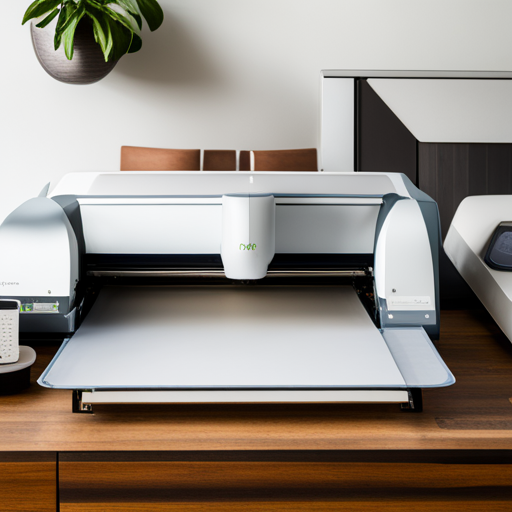

When comparing the Cricut Laser Cutter and the Glowforge, it’s important to consider several factors such as cost, capabilities, user-friendliness, and support.
The Cricut Laser Cutter, as discussed previously, is an efficient and cost-effective choice, with its advanced automation and precision. It’s user-friendly, with a well-designed software interface, making it suitable for beginners and professionals alike.
On the other hand, the Glowforge is a powerful laser cutter known for its high-quality engraving abilities. It’s priced higher than the Cricut but comes with added features like 3D engraving, which allows for a more in-depth design process. Its software, while comprehensive, may require a steeper learning curve than the Cricut’s.
In terms of support, both companies offer extensive online resources and communities. However, Glowforge’s customer service is often noted for its responsiveness and helpfulness, which can be a significant consideration for new users.
In summary, both the Cricut Laser Cutter and Glowforge have their strengths. The Cricut Laser Cutter might be suitable for those looking for cost-effectiveness, user-friendliness, and fast, precise cuts. Meanwhile, the Glowforge may appeal more to those willing to invest more for higher engraving quality and depth.
Head-to-head comparison of features and specifications
| Feature/Specification | Cricut Laser Cutter | Glowforge |
| ————- | ————- | ————- |
| Cost | Lower | Higher |
| Capabilities | Advanced automation, precise cuts | High-quality engraving, 3D engraving |
| User-friendliness | High (well-designed software interface) | Moderate (comprehensive, but potentially complex software) |
| Customer Support | Extensive online resources and communities | Noted for responsiveness and helpfulness |
| Ideal for | Beginners and professionals looking for cost-effectiveness and precision | Users willing to invest more for higher engraving quality and depth |
Exploring the respective software and design ecosystems
Both Cricut and Glowforge have their distinctive software ecosystems that aid users in their design and creation process. Cricut’s software, Design Space, is known for its user-friendly interface that attracts beginners. It provides a wide array of pre-made designs and also allows users to upload their own. The software has a cloud-based system that enables users to access their projects from any device.
On the other hand, Glowforge uses its web-based software, Glowforge Print. It supports a broad range of design software – from simple graphic design tools to professional CAD software. This flexibility allows users to create intricate and detailed designs. Additionally, Glowforge’s software is renowned for its camera capture feature which takes a snapshot of the material in the machine, allowing users to place their designs accurately.

In conclusion, while Cricut’s software is more user-friendly and perfect for beginners, Glowforge’s software provides more flexibility and advanced features suitable for professional users.
Real-world performance assessment between Cricut Laser Cutter and Glowforge
To assess real-world performance between Cricut Laser Cutter and Glowforge, an array of factors must be considered beyond the initial specifications. For instance, the cutting speed of each machine in a real-world scenario, the consistency of their precision over prolonged usage, and their efficiency in handling design intricacies or different materials.
In terms of speed, Glowforge generally performs faster than Cricut due to its powerful CO2 laser. However, Cricut holds its ground with its remarkable consistency, delivering even cuts over long periods of operation. The advanced sensors and intelligent systems inside the Cricut machine maintain a steady performance, even when dealing with intricate designs.
When it comes to material versatility, Glowforge has a slight edge. Its powerful laser can handle a wider variety of materials, including hardwood, leather, and even some types of metal. Cricut, while versatile within its range, primarily excels with lighter materials like vinyl, paper, and thin softwoods.
The precision of each machine is perhaps where Glowforge truly shines. Its high-resolution optics and dynamic autofocus result in highly precise cuts, even with complex designs. Cricut, with its Smart Set dial and German carbide premium blade, also offers precision cutting, but it may require multiple passes for deeper cuts or denser materials.
In conclusion, while Cricut holds appeal for its consistency and ease of use, Glowforge emerges as the more powerful performer in real-world scenarios, particularly when it comes to speed, material versatility, and precision.
Considerations for specific applications and user requirements
When considering specific applications and user requirements, it is crucial to match the capabilities of the machine with the intended task. For instance, Glowforge, with its powerful CO2 laser, is an excellent choice for industrial applications where speed, material versatility, and precision are paramount. It can handle a diverse range of materials and execute complex designs with remarkable precision, making it a reliable choice for professional artisans and manufacturers.
On the other hand, Cricut excels in crafting and DIY applications, particularly where consistency over long periods and ease of use are valued. It is ideal for home crafters, hobbyists, and educators, and its ability to handle lighter materials like vinyl, paper, and thin softwoods with precision makes it an excellent tool for creating intricate designs and teaching aids.
In terms of user requirements, Glowforge’s robust build and advanced features suggest it’s better suited to users with some experience, while Cricut’s user-friendly interface and software make it more accessible for beginners or less technically inclined users. In conclusion, the choice between Glowforge and Cricut should be guided by the specific application, user requirements, and level of experience.
Understanding Laser Cutting and Engraving with Cricut
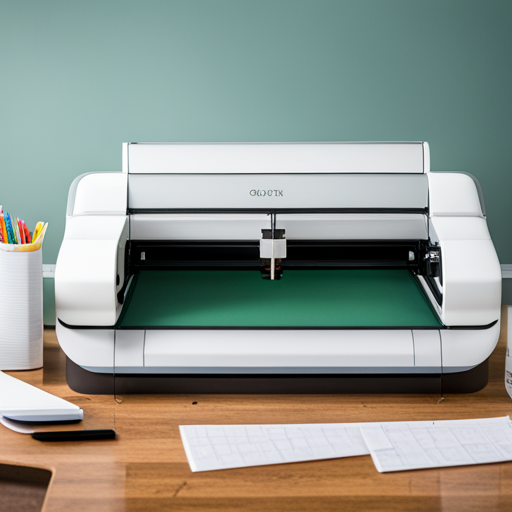
Cricut machines utilize a unique cutting technology that differentiates them from their industrial counterparts like Glowforge. Rather than a powerful CO2 laser, Cricut employs a blade-based cutting system that is particularly effective for crafting and DIY applications. The mechanism allows for precise cuts and engravings on lighter materials such as vinyl, paper, and thin softwoods. It’s a perfect choice for intricate designs, crafting beautiful personalized items, home decor, and more. With Cricut’s user-friendly interface and robust software, users can navigate through a multitude of design templates or create their own, making the process an enjoyable and smooth experience even for beginners. Its reliable performance over long periods allows Cricut to consistently produce high-quality results, a crucial aspect for hobbyists and educators alike.
Exploring the intricacies of laser engraving with Cricut
Laser engraving with Cricut is a multiplex process that necessitates a blend of software manipulation and hardware setup. Fundamentally, it involves creating or selecting a design, picking your material, and adjusting your machine settings accordingly. Cricut’s proprietary Design Space software offers a plethora of predesigned templates, as well as the flexibility to create or upload your design. The software also enables precise control over cutting depth and speed, ensuring optimal results depending on material thickness and hardness. The machine’s blade-based engraving system then meticulously sculpts the design onto the selected material, creating precise and detailed results. The engraving process with Cricut is straightforward, making it an excellent choice for both novice and experienced users looking to create personalized crafts or small-scale production items.
Advantages and limitations of laser cutting various materials with Cricut
Cricut supports a wide range of materials for laser cutting, each with its unique advantages and limitations. Paper and cardstock, for instance, are easily engraved and cut, providing an excellent medium for intricate designs. However, they can burn if not monitored carefully. Vinyl is another popular choice due to its versatility and clean cuts, yet it’s crucial to ensure the use of non-PVC-based vinyl to avoid the production of toxic fumes during the cutting process.
Leather and fabric offer unique textures and are suitable for various craft projects, but they require careful handling to prevent fraying or burning. Wood and acrylic are ideal for more durable items and can be engraved deeply for a striking effect. Nonetheless, they necessitate slower cutting speeds and may require multiple passes depending on thickness.
Metal, a material that Cricut doesn’t natively support, can be marked using special techniques like CerMark, but actual engraving is not possible due to the machine’s power limitations. Understanding the specific properties of each material, and adjusting settings accordingly, is vital to achieving optimal results with Cricut.
Optimizing designs for laser cutting with Cricut software
When optimizing designs for laser cutting with Cricut software, several key factors should be taken into consideration. First, design size and complexity play crucial roles: smaller, intricate designs may not cut as cleanly, requiring a reduction in cutting speed or multiple passes. The use of shapes with smooth, continuous lines can significantly enhance the precision and quality of the cut.
Secondly, be mindful of the type of cut you are using. Scoring leaves a decorative indented line on the material, while true cuts slice entirely through. Ensuring you’re using the right cut type for your design is essential.
Lastly, adjust the software’s settings according to the specifics of the material – its type, thickness, and whether it’s single or double-sided. Remember to test your settings on a sample piece of your chosen material before starting on your final piece. This trial-and-error process will allow you to fine-tune the settings for optimal results, and help avoid wasted materials or potential damage to the Cricut machine.
Utilizing advanced techniques for precision laser engraving with Cricut
To truly master precision laser engraving with Cricut, advanced techniques are a necessity. One game-changing method is the use of engraving fill techniques. By manipulating fill density and pattern, you can dramatically affect the texture and contrast of your engraving. Patterns such as crosshatch, contour, and radial fill each offer unique aesthetic effects. Another way to enhance precision is through careful manipulation of engraving depth. This technique requires a delicate balance: too deep, and you risk compromising the integrity of the material; too shallow, and the engraving may not be visible. Depth can be controlled by adjusting the power of the laser or the speed at which it moves. However, achieving the perfect depth may require several tests to optimize the settings. Finally, always ensure the material is flat against the Cricut’s engraving bed, as any warp or tilt can cause inconsistency in engraving depth and clarity. These techniques, while requiring practice and patience, can significantly extend the capabilities of your Cricut engraving projects.
Addressing safety considerations and best practices for laser cutting and engraving
While laser cutting and engraving can yield impressive results, it is crucial to prioritize safety and adhere to best practices. Always wear protective gear, including safety goggles to shield your eyes from harmful laser light, and heat-resistant gloves to guard against potential burns. Ensure that the workspace is well-ventilated, as the engraving process can produce smoke and fumes that are hazardous if inhaled. Keep a fire extinguisher close at hand, as the heat generated by the laser poses a fire risk, particularly when working with flammable materials. In terms of operational safety, never leave the machine unattended while it’s in use. Regular maintenance of the machine is also essential to ensure its longevity and optimal performance. This includes cleaning the machine’s lens and mirrors to prevent buildup that could impact precision and effectiveness. Lastly, always verify the compatibility of the material with the laser to prevent damage to the machine or harmful chemical reactions. Adhering to these safety considerations and best practices not only ensures your well-being but also promotes the longevity and efficacy of your laser cutting and engraving machine.
Choosing the Right Cricut Laser Cutter Model
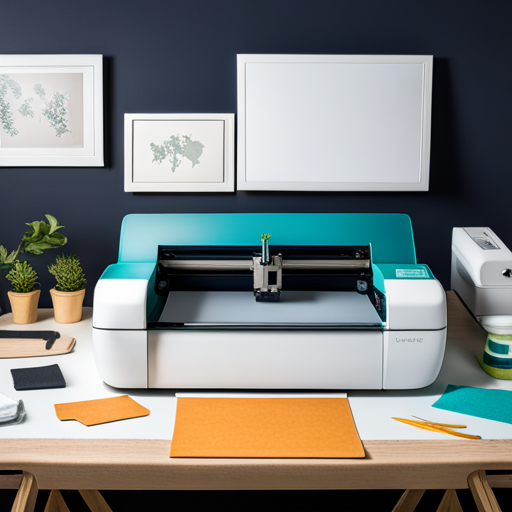
When choosing the right Cricut laser cutter model, several factors should be taken into account. Firstly, consider the size of the projects that you’ll typically be working on. A larger machine may be beneficial for large-scale projects, but if you’re mostly working on smaller crafts, a more compact model might suffice. Secondly, consider the cutting power that you’ll need. Different materials require different power levels, so if you plan on engraving harder materials like metal or wood, a model with higher power would be a better choice. Thirdly, the machine’s software compatibility is another key consideration. Some models are only compatible with specific software, and others offer greater flexibility. Lastly, don’t overlook the importance of user-friendliness. A model with an intuitive design and clear instructions can make the learning curve much less steep, especially for beginners. Remember, the best Cricut machine for you depends on your individual needs, preferences, and budget. Always conduct thorough research, read user reviews, and consider reaching out to Cricut’s customer support if you have specific questions or concerns.
Evaluating the unique features and capabilities of the Cricut Maker series
The Cricut Maker series stands out for its versatility and advanced cutting abilities. It’s designed to handle a wide range of materials, from delicate fabric and paper to tougher substances like leather and matboard. The Maker series utilizes an Adaptive Tool System, which automatically controls the blade direction and cutting pressure to match the material, ensuring precision and consistency. It’s also compatible with a variety of tools, allowing users to cut, write, score, and even deboss or engrave. Another standout feature is the machine’s compatibility with Cricut’s Design Space software. This provides access to a vast library of designs and makes it easy to create custom projects. Furthermore, the Maker series emphasizes user-friendliness, with a full-color touchscreen and a well-organized tool storage system. However, it’s worth noting that these models are at the higher end of the Cricut price range. Given their extensive capabilities, the Cricut Maker machines are an excellent choice for serious crafters and small businesses that demand versatility and precision.
Considering the suitability of the Cricut Explore series for laser cutting and engraving
The Cricut Explore series exhibits commendable capabilities in the realm of laser cutting and engraving. Designed particularly for crafters who are looking to level up their work, these machines offer a fine balance between affordability, performance, and ease of use. The Explore series can handle a significant range of materials, including vinyl, cardstock, and iron-on transfers. Despite lacking the Adaptive Tool System of the Maker series, the Explore series compensates with its Fine-Point Blade, ensuring precision and clean lines in every cut. For those interested in laser engraving, it’s important to note that while the Cricut Explore series may not offer built-in engraving capabilities, it’s compatible with a range of engraving tools available separately. Paired with the Design Space software, these machines allow users to delve into both laser cutting and engraving without needing a highly specialized setup. However, users should bear in mind that for highly intricate engraving or cutting on tougher materials, the Maker series might be more suitable. Thus, the Cricut Explore series is a viable choice for crafters and aspiring small businesses that require a blend of functionality, affordability, and accessibility in their creative journey.
Assessing the specific requirements and intended applications to select the ideal Cricut model
When selecting the ideal Cricut model, it’s essential to evaluate specific requirements and intended applications carefully. For beginners or hobby crafters working mainly with light to medium-weight materials, the Cricut Explore series serves as an affordable and uncomplicated entry point into the world of cutting and engraving. For those looking to take on more complex projects involving a wider range of materials, the Cricut Maker series, with its Adaptive Tool System, presents a versatile and high-performance option. Additionally, commercial crafters seeking maximum cutting speed and productivity might consider investing in the Cricut Explore Air 2, the fastest model in the Explore series. Finally, those who prioritize portability might find the compact and lightweight Cricut Joy a perfect fit for crafting on the go. Therefore, the selection of the ideal Cricut model ultimately boils down to individual needs, project complexity, and budget considerations.
Comparing Cricut Joy, Maker, and Explore for laser cutting needs
When comparing the Cricut Joy, Maker, and Explore series for laser cutting needs, several factors come into play. The Cricut Joy, being the smallest and most portable model, does not support laser cutting due to its limited cutting width and the non-availability of the necessary tool. It’s best suited for simple, smaller-scale projects. The Cricut Explore series, on the other hand, offers more versatility with the ability to cut over 100 different materials. However, laser cutting isn’t directly supported, though engraving is possible with the use of a specialized tool. The Cricut Maker shines in this comparison as it is equipped with the Adaptive Tool System, which supports a wide range of tools including a laser-like engraving tip. This allows for intricate engraving on a variety of materials, making it the most suitable option for users with laser-cutting needs. It’s important to note that none of the Cricut machines offer actual laser cutting; rather, they provide cutting and engraving capabilities that mimic some aspects of laser precision.
Understanding the potential for future upgrades and expansions with different Cricut models
The potential for future upgrades and expansions varies across different Cricut models. Starting with the Cricut Joy, its compact and lightweight design limits the scope for hardware expansions or upgrades. Although software updates can enhance its features and improve user experience, the absence of a docking slot makes it less adaptable to new tools or accessories. Moving the Cricut Explore series offers a moderate degree of expandability. It’s designed with an adaptable tool system, allowing users to add on tools as they become available. However, its potential is still somewhat limited compared to the Cricut Maker. The Maker, being the most advanced model in the line-up, is designed with future upgrades and expansions in mind. It boasts the Adaptive Tool System that’s compatible with a wide array of tools, and Cricut continues to develop new tools specifically for this model. Hence, for users seeking a model with the most potential for future growth and adaptability, the Cricut Maker emerges as the clear choice.
Frequently Asked Questions
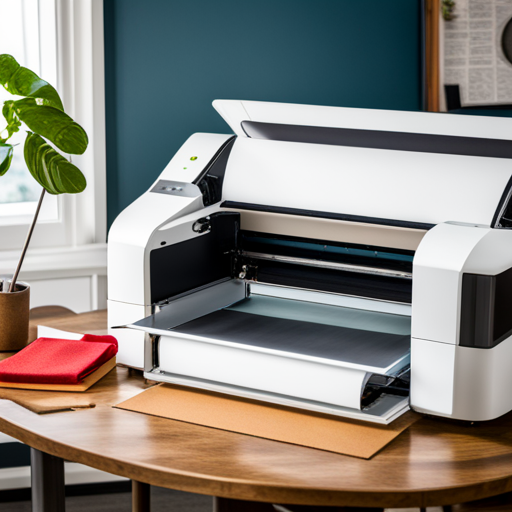
Q: How does a Cricut laser cutter work?
A: A Cricut laser cutter works by directing a high-powered laser onto the material, which vaporizes or burns it to achieve precise cuts or detailed engravings according to the design programmed into the machine’s software.
Q: What materials can a Cricut laser cutter cut?
A: A Cricut laser cutter can cut various materials, including wood, acrylic, leather, fabric, paper, cardboard, and certain types of plastics, expanding the range of possibilities for crafting and design projects.
Q: What are the differences between a Cricut machine and a laser cutter?
A: While both a Cricut machine and a laser cutter can be used for cutting and crafting, the key difference lies in their cutting methods: a Cricut machine uses a sharp blade to cut materials, whereas a laser cutter uses a focused beam of light to achieve cuts and engravings. Additionally, a laser cutter allows for more intricate and detailed designs compared to a Cricut machine.
Q: Can a Cricut laser cutter be used to cut vinyl for decals and home decor?
A: Yes, a Cricut laser cutter can effectively cut vinyl for creating decals, as well as for enhancing home decor projects, offering precise and professional-looking results for a wide range of applications.
Q: Is there a difference between Glowforge and Cricut laser cutters?
A: Yes, there are differences between Glowforge and Cricut laser cutters in terms of their capabilities, cutting precision, software features, and compatibility with various materials. Understanding these differences can help you choose the most suitable option for your crafting and cutting needs.
Q: How can I safely use a laser cutter for crafting without being exposed to harmful fumes?
A: It is important to ensure proper ventilation when using a laser cutter to prevent exposure to fumes produced during the cutting process. Using the machine in a well-ventilated area or employing a fume extraction system can help mitigate this concern.
Q: Can a Cricut laser cutter cut thicker materials such as wood and acrylic?
A: Yes, a Cricut laser cutter is capable of cutting thicker materials such as wood and acrylic, provided that the machine’s power and settings are adjusted accordingly to accommodate the density and hardness of the material.
Q: What is the difference between a rotary blade cutter and a laser cutter for Cricut machines?
A: The difference lies in their cutting mechanisms: a rotary blade cutter is specifically designed for fabric and intricate patterns, whereas a laser cutter provides a more versatile cutting solution for a broader range of materials, offering precision and detail in designs.
Q: Are Cricut cutting machines compatible with a laser unit for cutting and engraving?
A: Yes, Cricut cutting machines are compatible with laser units for cutting and engraving, allowing crafters to expand the capabilities of their Cricut machines to create intricate and precise cuts and designs across various materials.
References
- “Cricut Maker: The Ultimate Guide” by Jennifer Marx (Penguin Random House). An in-depth book that covers all aspects of using the Cricut Maker, from unboxing to advanced techniques. Useful for beginners and experienced users alike.
- “Cricut’s Official Website” (https://cricut.com/). The manufacturer’s official site is an invaluable source for product specifications, tutorials, and updates on new tools and accessories.
- “Cricut for Beginners” (YouTube Channel). This YouTube channel offers a range of video tutorials and demos on using various Cricut models, including the Maker.
- “Complete Guide to Cricut Design Space” by Cricut Blog (https://inspiration.cricut.com/complete-guide-to-cricut-design-space/). A comprehensive guide on how to use Cricut’s software, with useful tips and tricks.
- “The Science Behind Laser Cutters” (Stanford University Research). An academic paper that explains the technical aspects of laser cutters, is useful for understanding how the Cricut mimics these aspects.
- “Cricut Maker Review” by TechRadar (https://www.techradar.com/reviews/cricut-maker). A detailed review of the Cricut Maker, evaluating its features, performance, and value for money.
- “Exploring the World of DIY Laser Cutting: A Focus on Cricut” (Journal of Arts and Crafts). This academic journal article provides a scholarly perspective on the use of Cricut in the DIY crafting world.
- “Cricut Community” (https://community.cricut.com/). An online forum where Cricut users share their experiences and ideas, and troubleshoot problems. A great source of user-generated information.
- “Design Space Tutorial for Beginners” (LinkedIn Learning). A step-by-step online course that helps beginners navigate Cricut’s software.
- “Understanding the Capabilities and Limitations of Your Cricut Machine” – by Maker’s Gonna Learn. A blog post that provides insights into what a Cricut machine can and can’t do, helping users make the most of their device.
Recommended Reading: CNC Knife Cutting Machine


