


The Versatility of Laser Cutting Technology
Laser-cutting technology is renowned for its versatility and precision across a wide array of applications. Unlike traditional metal cutting methods, which are often time-consuming and imprecise, laser cutting offers speed, accuracy, and flexibility. It can be used to cut numerous types of metals including steel, aluminum, brass, and copper, to name a few. Additionally, this technology can adapt to complex design specifications, allowing intricate and detailed cuts with minimal material wastage. Laser cutting also stands out for its potential to adjust power levels, enabling it to shift between cutting thin sheets and thick metal plates. This high versatility makes laser cutting an ideal choice in sectors such as automotive, aerospace, manufacturing, and more.
Understanding the Basics of Laser Cutting
Laser cutting operates on the principle of directed energy, where a high-powered laser beam is concentrated onto a small area of material. The intense heat generated by the beam causes the material to melt, burn, or in some cases, evaporate, creating a precise cut. There are three main types of laser cutting methods: CO2, Nd: YAG, and Fiber. CO2 lasers are ideal for cutting, boring, and engraving due to their high energy efficiency and output. Nd: YAG lasers, on the other hand, are used for boring and engraving, especially when high power is required. Fiber lasers are more recent and are known for their efficiency, as they use diodes as the primary light source and fiber optics to amplify the light. The choice among these methods depends on the specific requirement of the cutting process, material type, and thickness.
Exploring Different Types of Laser Cutters
When it comes to laser cutting, there are various types of laser cutters available, each suited for different applications based on the type of material, cutting speed, power consumption, and cost. One of the most common types is the CO2 laser cutter, which is ideal for cutting, boring, and engraving a myriad of materials, including plastic, wood, and some metals. It operates by exciting a gas mixture, primarily composed of carbon dioxide.
Another type is the Nd: YAG or Nd: YVO4 laser cutter, which is primarily used for boring and engraving, especially when higher power levels are required. This type of laser is more commonly used in industries where high precision is necessary, such as the electronics industry.
Then there are Fiber laser cutters, a more recent innovation, which offers superior performance, lower power consumption, and reduced maintenance costs compared to other types. These cutters use diodes as the primary light source and fiber optics to amplify the light, making them especially efficient for cutting thin sheets of metal.
Lastly, there are crystal laser cutters, which utilize crystals grown in a lab to produce a high-power output. These types of lasers are ideal for cutting through thicker materials, such as metal and ceramics, but they carry a higher cost in terms of maintenance and replacement parts.
Choosing the right laser cutter depends on the specific requirements of the cutting process, including material type, thickness, and the precision level desired.
An Overview of CO2 Laser and Fiber Laser
The CO2 laser, known for its versatility, has a wavelength of 10.6 micrometers, making it effective for cutting, engraving, and boring materials like wood, plastic, and certain metals. This type of laser cutter operates by electrifying a gas mixture, primarily composed of carbon dioxide, which then emits a high-energy light beam. Although they offer a fast cutting speed and high precision, CO2 lasers do require regular maintenance, such as mirror and lens cleaning or replacement, to ensure optimal function.
On the other hand, Fiber lasers, with a wavelength of 1.064 micrometers, are renowned for their efficiency and lower operating costs. They use diodes as a primary light source, and fiber optics to amplify the light. The beam created by a Fiber laser is absorbed more readily by metals, making them particularly efficient for thin metal cutting. Moreover, Fiber lasers require less maintenance because they have fewer moving parts. However, they are generally more expensive initially than CO2 lasers.
In conclusion, CO2 lasers are versatile and can work with a wider variety of materials, while Fiber lasers excel in efficiency and lower operational costs. The selection between the two depends on the specific needs and budget of the project.
The Precision of Laser Cutting Machines
The precision of laser-cutting machines is one of their most remarkable features. Both CO2 and Fiber lasers can achieve extremely accurate cuts, with tolerances often within a few thousandths of an inch. This high level of precision is due to the use of computer numerical control (CNC) technology, which allows operators to program cuts with exact specifications, ensuring consistent results each time. Additionally, the non-contact nature of laser cutting eliminates the possibility of material distortion that can occur with traditional cutting methods, further enhancing the accuracy of the process. However, the precision of laser-cutting machines can sometimes be influenced by the properties of the material being cut, such as its reflectivity and heat sensitivity. Therefore, it’s crucial to choose the right machine and settings for your specific cutting requirements to achieve the highest possible precision.
Advantages of Using a Laser Cutter for Metal
Laser cutters offer several benefits when working with metal:
- Precision and Accuracy: As mentioned above, laser cutting machines are incredibly precise, providing tolerances often within a few thousandths of an inch. This level of precision is excellent for intricate designs and precise cuts in the metal industry.
- Speed: Laser cutting is typically faster than traditional methods of metal cutting, especially when dealing with complex or intricate designs.
- Clean Cuts and Smooth Finish: Laser cutting produces clean, burr-free cuts, reducing the need for secondary finishing processes.
- Reduced Material Waste: Due to its high precision, laser cutting reduces material waste significantly, which makes it a cost-effective solution for metal cutting.
- Versatility: Laser cutters can work with a wide range of metals, including steel, aluminum, brass, and many more.
- Non-Contact Process: Being a non-contact process, laser cutting reduces the risk of unintentional marking or damage to the metal, maintaining the integrity of the material.
- Automation and Replication: Laser cutters are typically controlled by CNC systems, allowing for automated, consistent, and exact replicable cuts. This feature is ideal for large-scale production runs.
Choosing the Right Laser Cutter for Your Metal Needs
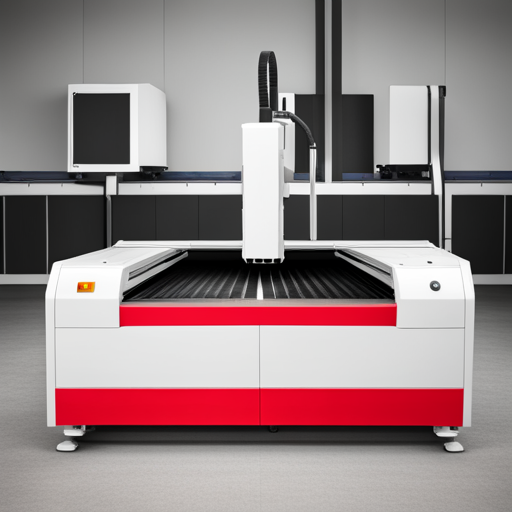
When choosing the right laser cutter for your metal needs, several factors must be considered.
- Material Type and Thickness: The first step is to identify the type and thickness of the metal you will be working with. Different laser cutters are designed to handle different materials and thicknesses.
- Cut Quality: The quality of the cut is another significant factor. Machines capable of high-power outputs can often produce cleaner cuts with fewer burrs.
- Production Volume: If your projects involve large-scale production, a laser cutter with higher speed and automation capabilities may be more suitable.
- Budget: Laser cutters can be expensive, and it is crucial to consider the cost-effectiveness of the machine. A balance between quality, speed, and price should be sought.
- After-Sales Service: Service and support after the purchase are vital. The supplier’s reputation, warranty, and customer service can be decisive factors.

Remember, choosing the correct machine can make a significant difference in the quality of your work, the efficiency of your operations, and ultimately your bottom line. Therefore, it pays to do your research and choose wisely.
Considering Different Metal Materials for Cutting
Different types of metals react differently to the process of laser cutting. Here are some common metals and their compatibility with laser cutting:
- Mild Steel: It’s a popular choice for laser cutting, as it can be cut cleanly at varying depths. However, ensure your machine has the power to cut through the desired thickness.
- Stainless Steel: With the right laser cutter, you can achieve precise cuts on stainless steel. It’s often used in the automotive and aerospace industries due to its resistance to rust and corrosion.
- Aluminum: Aluminum is lighter and softer than steel, which makes it a popular choice for many industries. However, it requires a higher-powered laser to cut due to its highly reflective nature.
- Copper and Brass: These metals are also highly reflective and require a higher-powered laser. However, with the right settings, you can achieve excellent cut quality.
Before selecting your material, consider the capabilities of your laser cutter, the thickness of the metal, and the required cut quality. Each of these factors plays a significant role in obtaining optimal results.
Factors to Evaluate when Selecting a Laser Cutter
When selecting a laser cutter, multiple factors should be evaluated to ensure the choice meets your specific requirements:
- Power Output: The power of the laser cutter determines what materials and how thick they can be cut. Higher power outputs can handle thicker and denser materials.
- Size of Cutting Bed: Depending on the size of the materials you will be working with, the bed size of the laser cutter can be a critical factor.
- Type of Cooling System: Laser cutters generate significant heat during operation, requiring a cooling system. Consider whether an air or liquid cooling system is more suitable for your needs.
- Ease of Use: Look for a laser cutter with user-friendly software and controls, particularly if you are new to laser cutting.
- Safety Features: Ensure the machine comes with robust safety features, such as emergency stop buttons, temperature overload switches, and protective housing for the laser.
- Support and Warranty: Consider the manufacturer’s support services and warranty conditions. These can be invaluable if you encounter any issues during operation.
Determining the Ideal Laser Power for Metal Cutting
Determining the ideal laser power for metal cutting is an integral part of the process and can significantly impact the quality and efficiency of your cuts.
For metals with low reflectivity and high energy absorption such as steel, lower power lasers ranging from 500 to 1,000 watts may suffice for thin sheets. On the other hand, metals like aluminum and copper, known for their high reflectivity and heat conductivity, often require higher power lasers, typically above 2,000 watts, to achieve a clean cut.
It’s important to remember, however, that the laser power alone doesn’t dictate the cutting capability. The laser’s focus, the assist gas pressure, and the cutting speed are also pivotal factors that influence the cutting performance. Collaboratively, they contribute to achieving a balance between cut quality, speed, and operating cost.
Remember to always conduct test cuts when you’re optimizing parameters for a new material type or thickness. This will help you identify the optimal settings for your specific laser cutter and material.
Assessing the Cutting Speed and Accuracy
Assessing the cutting speed and accuracy is another crucial aspect to consider when operating a laser cutter. Cutting speed, often measured in inches per minute (IPM), is primarily influenced by the power of the laser, the thickness of the material, and the type of the material being cut. Higher-power lasers can typically cut through materials at a faster rate, but the speed should be adjusted appropriately to maintain the accuracy and quality of the cut.
Accuracy, on the other hand, pertains to the degree of conformity of the cut piece to the specified dimensions. It is influenced by factors such as the precision of the laser, the stability of the machine, and the quality of the laser optics. Achieving high accuracy is pivotal in industries where strict tolerances are required, such as the aerospace or medical device industries.
Lastly, it’s noteworthy to mention that there’s often a trade-off between speed and accuracy. Operating at high speeds can lead to less accurate cuts, and vice versa. Therefore, it’s necessary to find a balance between the two, depending on the application and quality requirements of the cut pieces.
Understanding Laser Cutting Machine Engraving Capabilities
Engraving is another significant capability of laser cutting machines, enabling the creation of intricate designs, text, and images on a variety of materials. The engraving process involves the laser beam removing material to create depth, which translates into the design or pattern. The laser’s power, speed, and focus, alongside the material’s characteristics, determine the depth and quality of the engraving.
Laser engraving can be typically adjusted via two parameters: power and speed. Higher power and slower speeds result in deeper engravings, while lower power and faster speeds lead to lighter, more surface-level markings.
Furthermore, laser engraving capability extends to a wide range of materials including metals, plastics, wood, glass, and more. However, the material’s properties, such as its heat resistance and melting point, can significantly affect the final engraving outcome.

While engraving, one should also consider the safety aspects. It’s crucial to always use protective eyewear and ensure proper ventilation, as engraving certain materials can release fumes that may be harmful if inhaled.
It’s also worth mentioning that laser engraving, like cutting, demands precision. Small miscalculations in setting the parameters can lead to substandard output. Therefore, similar to cutting, conducting test engravings when working with new materials or settings can help in achieving the desired results.
Mastering Metal Cutting Techniques with Laser Cutters
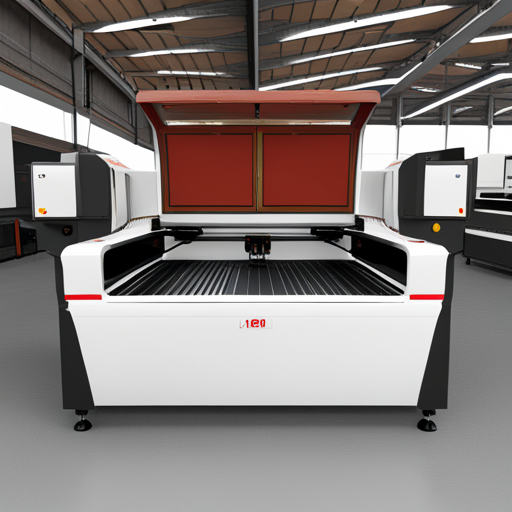
Mastering metal cutting with laser cutters primarily involves understanding the interactions between the laser beam and the metal material. Different metals will respond differently to laser cutting, often depending on their heat conductivity and surface reflectivity. For instance, stainless steel is a common material for laser cutting, due to its low heat conductivity that allows the laser’s heat to remain localized at the cut.
Two popular techniques when dealing with metals are ‘reactive cutting’ and ‘fusion cutting’. Reactive cutting, or flame cutting, is often used with carbon steel and involves oxygen as a cutting gas. The laser beam heats the material, and the oxygen reacts with the metal, vastly increasing the energy and carrying away the molten material. Whereas, fusion cutting blows away the molten metal using a high-pressure jet of inert gas, resulting in a high-quality cut, especially for non-oxidizing metals like stainless steel or aluminum.
To master these techniques, it’s important to adjust settings like the laser power, cutting speed, and gas pressure according to the specific type of metal and thickness to be cut. Furthermore, the laser’s focal point position can significantly affect the quality of the cut, with the optimal position often depending on the material thickness. Practicing on scrap material first can help fine-tune these parameters and achieve optimal results.
Lastly, safety should never be compromised when laser cutting metals. Protective eyewear, appropriate ventilation, and careful handling of the cut metal pieces, which can be extremely hot immediately after cutting, are essential safety practices to observe.
Optimizing Laser Cutting for Sheet Metal
Optimizing laser cutting for sheet metal involves several steps. First, it’s crucial to account for material properties, such as thickness and type, as these factors greatly influence the cutting process’s parameters. Then, the laser-cutting machine settings need to be adjusted accordingly—laser power, cutting speed, and gas pressure, to name a few.
The laser’s focal point position also plays a crucial role, with the optimal position often dependent on the sheet metal’s thickness. It is recommended to practice on scrap material to fine-tune these parameters for the best results.
Lastly, minimizing material waste is an essential aspect of optimization. Use proper nesting software to arrange parts on the sheet metal in a way that reduces waste and increases productivity.
As always, safety remains paramount. With laser cutting, this involves using appropriate safety gear, ensuring sufficient ventilation, and handling the cut pieces with care as they can be extremely hot immediately after cutting.
The Precision of Cutting Stainless Steel with Laser Machines
Laser-cutting machines offer superior precision when it comes to cutting stainless steel, a quality that is paramount in industries where accuracy is a non-negotiable requisite. The technology leverages a high-power laser beam to make precise cuts, controlled by a computer program that ensures each cut is made to the exact specifications of the digital design. The ability of laser cutting machines to create intricate shapes and designs on stainless steel far surpasses traditional methods, and this is all done without any physical contact with the material, thereby eliminating the risk of unwanted marks or deformations. Moreover, the laser’s heat-affected zone (HAZ) is minuscule, reducing the chances of material distortion. Consequently, laser cutting is a go-to technology for applications requiring superior precision and accuracy in cutting stainless steel.
Exploring CNC Integration with Laser Metal Cutters
CNC (Computer Numerical Control) integration has revolutionized laser metal cutting, enhancing precision and repeatability. With CNC, laser cutters can execute complex and detailed designs swiftly and consistently. The CNC system precisely controls the laser’s movement along the x, y, and z axes, ensuring every cut is aligned with the predetermined digital design. This results in a high level of precision, regardless of the complexity of the design or the number of repetitions. Furthermore, CNC integration mitigates the risk of human error and allows efficient production runs by storing and reusing previously programmed designs. It’s worth noting that CNC-integrated laser cutters require an initial investment in training and software, but the subsequent boost in productivity and precision often justifies the cost. An understanding of CAD (Computer-Aided Design) and CAM (Computer-Aided Manufacturing) software is typically necessary to fully exploit the potential of CNC-integrated laser cutters.
Understanding the Laser Cutting Process for a Variety of Metals
The laser cutting process is highly versatile and effective for a variety of metals including but not limited to stainless steel, aluminum, brass, and copper. Each metal has unique properties that the laser interacts with differently, thereby influencing the cutting process. Stainless steel, known for its robustness and corrosion resistance, often requires higher laser power for cutting. Aluminum, with its high reflectivity and thermal conductivity, can pose challenges for laser cutting, but modern laser systems equipped with specialized beam delivery methods have mitigated these issues. Brass and copper, being highly reflective metals, necessitate a laser with high beam density for effective cutting. In all cases, the laser cutting process provides precise, clean cuts with minimal kerf width, making it an optimal choice for intricate, high-accuracy designs. Understanding how various metals respond to laser cutting is crucial to optimizing the process and achieving the best results.
Maximizing Efficiency with Fiber Laser Cutting Machines
Fiber laser cutting machines leverage high-intensity beams to cut through various materials with unparalleled speed and precision. The heart of a fiber laser cutter is the fiber laser itself, which generates a laser beam by amplifying light within a specially designed glass fiber. This process results in a highly focused, high-power beam that can cut through metals with ease. Fiber laser cutting machines offer several efficiency-boosting advantages over traditional laser cutters.
Firstly, they provide a much higher degree of precision. The highly concentrated fiber laser is capable of making extremely fine and intricate cuts, making it ideal for jobs that demand a high level of detail. Secondly, fiber laser cutters are highly energy-efficient. They convert a higher percentage of input energy into the laser beam, reducing power consumption and lowering operating costs. Lastly, fiber lasers have fewer moving parts and require less maintenance than their traditional counterparts, resulting in less downtime and more productivity.
Several factors need to be considered to maximize the efficiency of a fiber laser cutting machine. These include the power of the laser, the thickness and type of the material being cut, and the cutting speed. Proper adjustment and optimization of these factors can lead to significant efficiency gains, reducing the time and cost associated with laser-cutting operations.
Enhancements and Innovations in Laser Cutting Technology
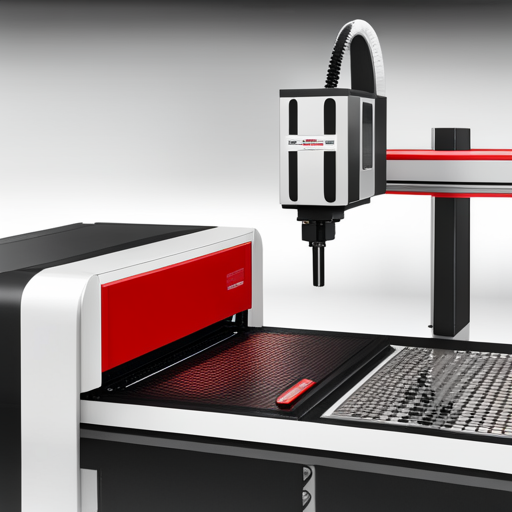
Recent developments in laser cutting technology have ushered in a new era of efficiency and precision. Innovations in software design have led to more advanced control systems, allowing for highly accurate cutting paths and more complex designs. Moreover, advancements in fiber technology have resulted in lasers with higher power outputs, leading to faster cutting speeds and the ability to cut through thicker and more robust materials.
Another significant enhancement is the advent of automation in laser cutting. Modern cutting machines now feature automated loading and unloading systems, which reduce manual labor and increase output. AI and machine learning are also making inroads into laser cutting, with intelligent systems capable of optimizing cutting patterns and predicting maintenance needs, thereby minimizing downtime.
Furthermore, the progress in cooling technology has significantly increased the lifespan of laser-cutting machines, reducing the need for frequent replacements and repairs. Through these enhancements and innovations, laser-cutting technology continues to evolve, pushing the boundaries of what is possible and opening up new opportunities for industries worldwide.
Latest Developments in Laser Machine Engraving
The field of laser machine engraving has seen several noteworthy advancements recently. One of the most prominent is the refinement of micro-engraving capabilities, allowing for precise and intricate designs on extremely small surfaces. This has been particularly beneficial in industries such as jewelry and microelectronics. Additionally, the integration of AI and machine learning has yielded smart engraving systems capable of self-correction, reducing errors, and enhancing engraving quality.
Another significant development is the introduction of multi-source engraving machines. These machines utilize multiple laser sources in a single operation, increasing the efficiency and accuracy of the engraving process, especially on materials that have varying densities and properties. The rise of eco-friendly lasers, which consume less power and produce less heat, has also marked a significant step towards sustainable engraving practices. These advancements suggest an exciting future for laser machine engraving, with new possibilities for precision, efficiency, and sustainability.
Advancements in CO2 Laser Tube Technology
The advancements in CO2 laser tube technology have had a great impact on the applications and capabilities of laser engraving and cutting machines. The introduction of RF (Radio Frequency) excited tubes has significantly increased the lifespan and reliability of these devices, ensuring a higher-quality beam and allowing for consistently accurate engraving and cutting. Another major development is the advent of water-cooled CO2 tubes, which have improved power stability, facilitating precise and efficient operations over extended periods. Furthermore, the incorporation of modern digital interfaces has enabled easy integration and control of these tubes in various laser systems. These innovations underline the ongoing evolution of CO2 laser tube technology, promising increased performance and a broader spectrum of applications.
Exploring Fiber Laser Applications for Metal Cutting and Engraving
Fiber lasers have revolutionized the domain of metal cutting and engraving by offering a plethora of advantages over traditional methods. Their high energy efficiency, superior beam quality, and compact size make them an ideal tool for metal processing applications. Fiber lasers produce a wavelength of 1.064 micrometers which, being ten times less than that of CO2 lasers, has a much higher absorption by metals. This characteristic allows them to cut through materials with precision and speed that is unachievable by other laser types. Moreover, fiber laser engravers have opened new horizons for intricate design possibilities on various metals, including stainless steel, aluminum, brass, and copper. These devices enable detailed and fine features to be engraved with minimal damage to the surrounding material, ensuring high-quality outcomes. The future of fiber laser applications in metal cutting and engraving looks promising, with ongoing technological advancements aiming to further boost their power, efficiency, and versatility.
Utilizing Laser Cutting Systems for Specific Metal Cutting Applications
When it comes to specific metal-cutting applications, laser-cutting systems offer unparalleled precision and speed. These systems leverage high-powered lasers to slice through various types of metal with remarkable accuracy, resulting in smooth, clean cuts. Depending on the particular application needs, different types of lasers, such as CO2 and fiber lasers, can be employed.
CO2 lasers are an excellent choice for cutting non-metallic materials and metals alike, providing clean, burr-free edges. However, when cutting reflective metals, fiber lasers are the preferred alternative due to their shorter wavelength, which results in a higher absorption rate and efficient cutting. Fiber lasers can cut metals such as copper, brass, and aluminum without the risk of back reflections damaging the laser source.
Furthermore, laser cutting systems can handle a broad range of thicknesses and material hardness, making them versatile tools for different applications. The ability to produce intricate designs quickly with minimal material wastage makes laser cutting systems attractive for industries requiring high precision, such as automotive, aerospace, and electronics. Continued advancements in laser technology are expected to drive further improvements in cutting speed, quality, and versatility, expanding the range of applications for laser cutting systems in the metalworking industry.
Enhancing Performance with Advanced Laser Cutting Technology Features
Advanced features in laser cutting technology have significantly improved performance standards, opening up new avenues for innovation. One major development is the introduction of automated focusing systems. These systems adjust the laser beam’s focal point in real-time, maintaining optimal focus despite irregularities on the material surface, thus ensuring consistently high-quality cuts.
Another significant advancement is the integration of high-speed linear motor systems. These systems enable faster movement of the laser cut head, resulting in increased cutting speeds and productivity.
Additionally, the implementation of ‘Pierce Detection’ technology has drastically reduced the time spent on processing each part. This technology detects when the laser has successfully pierced through the material, enabling it to move on to the next cut without delay.
Modern laser cutting machines also incorporate sophisticated software for more efficient and precise cutting sequences. This software can account for the unique properties of different materials and adjust the cutting parameters accordingly, minimizing waste and enhancing the overall quality of the cut.
Further technological developments such as these continue to enhance the performance and versatility of laser cutting systems, thereby solidifying their position as an essential tool within the metalworking industry.
Troubleshooting and Maintenance Tips for Laser Cutting Systems
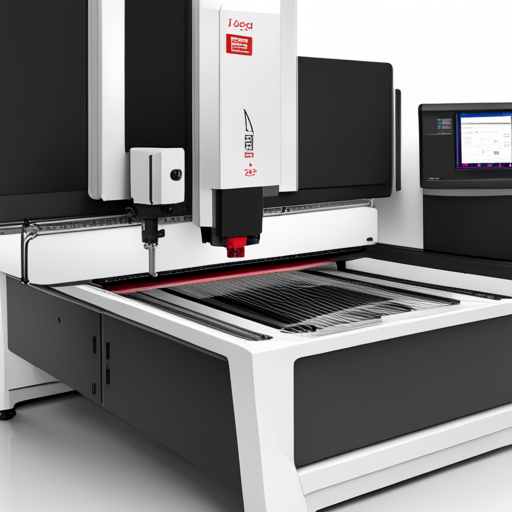
To maintain the optimal functionality and longevity of your laser cutting systems, regular maintenance and troubleshooting are indispensable. Here are some crucial tips:
- Clean lenses and mirrors regularly: The lenses and mirrors in your laser system are vital components. Keep them clean to ensure high-quality cuts and prevent potential damage.
- Inspect cooling systems: The cooling system prevents overheating. Regular inspections can help detect and repair any leaks or blockages, ensuring the system functions properly.
- Check Beam Alignment: Misaligned beams can lead to inconsistent cuts. Regularly check and adjust the beam alignment as necessary.
- Lubricate moving parts: Regular lubrication of moving parts like bearings and guide rails can prevent wear and tear, ensuring smooth and precise movement.
- Inspect and replace consumables: Regularly check consumables like nozzles and lenses for wear. Replace them as needed to maintain cutting quality and prevent damage.
- Update Software: Make sure you’re running the most current software version for your laser cutting machine. Regular updates can improve efficiency and resolve potential bugs.
- Routine Inspection: Apart from these specific checks, conducting a general routine inspection can help identify any potential issues early.
Remember, regular maintenance can significantly improve the performance and lifespan of your laser cutting equipment as well as minimize downtime.
Addressing Common Issues with Laser Metal Cutting Machines
In the course of operating laser metal cutting machines, several common issues may arise, each with potential solutions:
1. Poor Cut Quality: This could be due to a variety of factors, including worn-out consumables, misaligned beams, or dirty lenses and mirrors. Regular maintenance and timely replacements can mitigate this issue.
2. Inconsistent Power Output: This could be due to problems in the power supply or cooling system. Regular inspection of these systems is crucial to ensure consistent power output.
3. System Overheating: An inefficient cooling system could be the culprit. Ensure the coolant levels are correct and the radiator is functioning properly.
4. Faulty Movement in Axes: This might result from insufficient lubrication of moving parts or wear and tear of mechanical components. Regular lubrication and component inspections can prevent this problem.
5. Software Issues: Running outdated software can lead to operational inefficiencies and bugs. Ensure your machine is running the latest software version.
Addressing these common issues promptly can lead to optimal machine performance, improved cutting quality, and reduced downtime. Remember, prevention is always better than cure, and a well-maintained machine is a long-lasting one.
Essential Maintenance Practices for Laser Cutters
Implementing essential maintenance practices for laser cutters can significantly extend the machine’s life and improve its performance. Here are some practices to consider:
1. Regular Cleaning: Dust and debris can accumulate on the machine over time and interfere with its operation. Regularly clean the machine with appropriate cleaning tools and solutions to maintain its functionality.
2. Routine Inspection: Inspect the machine’s parts, including the lens, mirrors, nozzle, and belts, to detect any wear and tear or potential issues before they worsen.
3. Lubrication: Moving parts need lubrication for smooth operation. Use the appropriate lubricant and apply it as recommended by the machine’s manufacturer.
4. Cooling System Check: Keep the cooling system in optimal condition by checking coolant levels and ensuring the radiator and fans are functioning properly.
5. Software Updates: Always keep your machine’s software up-to-date to benefit from enhancements and bug fixes.
Adhering to these maintenance practices can prevent common issues, reduce downtime, and enhance the overall performance of your laser cutter.
Maximizing the Lifespan of Laser Cutting Systems
Maximizing the lifespan of laser cutting systems goes beyond regular maintenance; it also involves operating the machine correctly and optimizing its settings. Optimal Use: Always ensure the laser cutter is used within capacity, as overloading can lead to premature wear and tear. Correct Settings: Utilize the machine’s settings to optimize performance. This includes adjusting the power, speed, and frequency according to the material being cut. Proper Training: Make sure that all operators are trained on the safe and effective use of the laser cutter. Misuse can cause unnecessary damage. Environment: Keep the machine in a clean, dust-free environment with controlled temperature and humidity. Extreme conditions can negatively impact the performance and longevity of the machine. By following these practices in addition to regular maintenance, you can significantly extend the lifespan of your laser-cutting systems.
Overcoming Challenges in Laser Cutter Operation and Performance
Navigating the challenges in laser cutter operation and performance requires a blend of proactive measures, technical knowledge, and the ability to troubleshoot effectively.
1. Material Compatibility Issues: Not all materials respond well to the high-energy laser beam. Always test a small sample of the material before initiating large-scale operations. For incompatible materials, consider alternative methods of cutting or engraving.
2. Calibration Problems: If cuts are not clean or precise, it might indicate calibration issues. Regularly calibrate the laser cutter to ensure that the alignment and focus of the laser beam are correct.
3. Power Fluctuations: Sudden power fluctuations can disrupt operations and even damage the laser cutter. Use a stable power source and consider installing a voltage stabilizer to prevent such issues.
4. Software Errors: Software glitches can lead to operational issues. Ensure that the software is updated regularly and any error messages are addressed promptly. If necessary, seek support from the software provider.
5. Heat Management: Excessive heat can degrade the laser cutter’s performance and cause damage over time. Be sure to monitor the machine’s temperature and maintain an efficient cooling system.
In conclusion, overcoming the challenges of laser cutter operation and performance is a continuous process that involves regular maintenance, proper utilization, adequate training, and a thorough understanding of the machine’s capabilities. By staying vigilant and proactive, you can ensure consistent performance and longevity of your laser cutting systems.
Ensuring Safety and Compliance in Laser Cutter Usage
Safety and compliance are crucial aspects of the operation of laser cutters. Adhering to safety standards not only prevents accidents but also promotes the efficient use of the machine. Here are some critical measures to consider:
1. User Training: Operators should receive thorough training on the operation and safety aspects of the laser cutter. This includes understanding the machine’s functionalities, handling procedures, and emergency protocols.
2. Personal Protective Equipment (PPE): Proper PPE such as safety glasses, heat-resistant gloves, and protective clothing should be worn at all times during operation to protect against potential injuries caused by laser exposure or heat.
3. Proper Ventilation: Ensure the workspace is well-ventilated to eliminate any fumes or dust particles produced during the cutting process, which can be harmful if inhaled.
4. Regular Inspections: Regularly inspect the laser cutter for any signs of wear or damage. Early detection of issues can prevent more severe complications down the line.
5. Compliance with Regulations: Always adhere to local and national safety regulations about laser cutter usage. This includes maintaining proper documentation and adhering to any inspection or certification requirements.
By adhering to these safety measures and compliance standards, you can ensure a safe and productive work environment while making the most of your laser cutter’s capabilities.
Frequently Asked Questions
Q: What are the different types of metal laser cutters available in the market?
A: The different types of metal laser cutters include CO2 laser cutters, fiber laser cutters, and CNC laser cutters, each with unique capabilities and applications.
Q: What materials can a metal laser cutter work with?
A: A metal laser cutter can work with a wide range of materials, including stainless steel, aluminum, brass, copper, and various alloys commonly used in metal fabrication and manufacturing.
Q: What are the key factors to consider when choosing the best metal laser cutter?
A: When choosing a metal laser cutter, it’s important to consider factors such as power output, cutting speed, precision, ease of use, maintenance requirements, and the specific applications it will be used for.
Q: How does a fiber laser cutter differ from a CO2 laser cutter?
A: Fiber laser cutters use a solid-state laser generator to produce a concentrated beam of light, making them highly efficient for cutting metals, while CO2 laser cutters use a gas laser to deliver the cutting energy with versatile applications.
Q: What are the advantages of using a sheet metal laser cutter?
A: A sheet metal laser cutter offers precise and efficient cutting of sheet metal, enabling complex designs, smooth edges, minimal material waste, and the ability to handle various thicknesses of sheet metal.
Q: What are the common applications of a metal laser cutting machine?
A: Metal laser cutting machines are commonly used in industries such as aerospace, automotive, electronics, jewelry making, metal fabrication, and general manufacturing for tasks including cutting parts, engraving serial numbers, and creating intricate designs.
Q: How does a laser cutter and engraver combination benefit metalworking processes?
A: Combining laser cutting and engraving capabilities in one machine provides versatility, allowing manufacturers to perform both cutting and marking tasks on metal components with high precision and efficiency.
Q: What are some essential safety precautions when operating a metal laser cutter?
A: When operating a metal laser cutter, it’s crucial to wear appropriate protective gear, ensure proper ventilation, secure the workpiece, and follow all safety guidelines provided by the manufacturer to prevent accidents and exposure to laser energy.
Q: How can I find the best metal laser cutter for my specific needs?
A: To find the best metal laser cutter for your needs, consider factors such as the types of metals you will be working with, the thickness of materials, required precision, production volume, and additional features like automatic loading and unloading systems or rotary attachments for tube cutting.
References
- Laser Cutting: A Guide to Everything You Need to Know – Fictiv’s informative guide provides a comprehensive overview of laser cutting, including its applications in processing metals.
- Metals Suitable for Engraving and Cutting with a Laser – Trotec Laser’s article offers insights into the types of metals suitable for laser cutting.
- Laser Cutting Basics – Instructables provide a basic guide to laser cutting, including the types of materials that can be processed, which include metals.
- ‘Laser Cutters for Metals: A Comprehensive Guide’ – This academic paper provides a detailed analysis of the use of laser cutters for metals, including their operational principles, benefits, and limitations.
- TRUMPF Laser Cutting Machines – Manufacturer TRUMPF’s official website presents a range of laser cutting machines designed specifically for metalwork.
- ‘Laser Cutting Process’ – ESAB’s blog entry provides an in-depth look at the laser cutting process, focusing on its application in metal fabrication.
- Laser Cutting of Stainless Steel – Laserschneiden’s comprehensive article explains the laser cutting process of stainless steel, a common application in metal fabrication.
- Laser Cutter, Engraver, & Marking Machines – Boss Laser’s official website, a leading manufacturer of laser cutters, showcases a range of products suitable for metal applications.
- ‘A Review on Laser Cutting of Metals’ – This academic review published in the Journal of Materials Engineering and Performance provides a comprehensive analysis of the laser cutting process for metals.
- How to Choose the Best Laser Cutter? – Sculpteo’s blog post offers valuable tips on choosing the best laser cutter for various applications, including metal processing.
Recommended Reading: CNC Knife Cutting Machine


