


What is a fiber laser cutter and how does it work?
A fiber laser cutter is a technological device that utilizes an amplified light beam—channeled through optical fibers—as a tool for cutting metal materials. The process begins with the creation of a laser beam in the resonator, composed of diodes that emit light when electricity is applied. This light is directed through a series of specially designed, flexible optical fibers to the laser cutting head.
The cutting head contains a lens that focuses the laser beam onto a pinpoint area on the metal surface. The concentrated energy in the beam heats the material to a high temperature, causing it to melt or vaporize. A high-pressure gas, typically nitrogen or oxygen, is then used to blow the melted or vaporized material away, creating a clean cut. The strength and precision of fiber laser cutters make them ideal for cutting intricate designs and handling materials of various thicknesses.
Understanding the technology behind fiber laser cutters
The core technology behind fiber laser cutters is the fiber laser itself, a type of solid-state laser that generates a coherent and highly concentrated light beam. It uses an optical fiber as the active medium, which is doped with rare-earth elements like erbium, ytterbium, neodymium, dysprosium, praseodymium, thulium, and holmium. The doping process increases the intensity and efficiency of the light beam.
The laser light beam is guided from the resonator, where it is generated, through a flexible fiber optic cable to the cutting head. This design minimizes the loss of laser power and enables a highly efficient transmission of the laser beam.
The laser beam exits the cutting head and is focused onto the material to be cut using a special lens. This concentrated beam, with an extremely high power density, melts or vaporizes the material. An assist gas, such as nitrogen or oxygen, is then used to expel the molten material and create a precise and clean cut.
The precision and versatility of fiber laser cutting technology are due to the high level of control it allows over the laser beam. This includes the ability to adjust the power output, diameter, and shape of the beam, making it capable of cutting a wide range of materials and thicknesses with high accuracy.
Key components and functionalities of fiber laser cutters
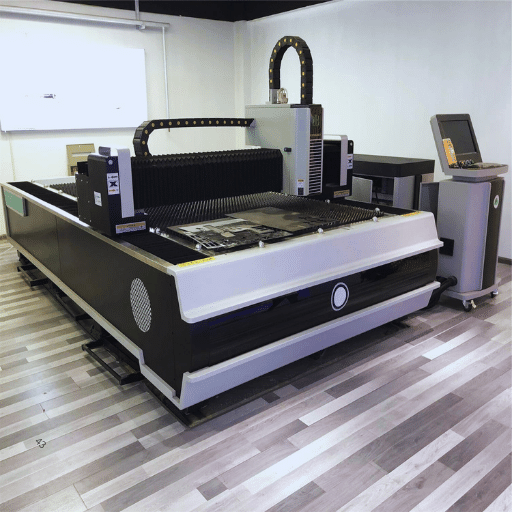
Fiber laser cutters are composed of several key components, each fulfilling a specific function.
- The Resonator: This is the source of the laser beam and houses the gain medium (an optical fiber doped with rare-earth elements). In the resonator, stimulated emission of photons occurs, creating a powerful, focused light beam.
- Fiber Optic Cable: This transports the laser beam from the resonator to the cutting head. The use of optical fiber ensures minimum loss of beam power during transmission.
- Cutting Head: This is where the laser beam exits. It contains a lens that focuses the laser onto the material to be cut.
- Assist Gas Delivery System: This component directs an assist gas (like nitrogen or oxygen) at the point where the laser meets the material, blowing away the molten or vaporized material and creating a clean cut.
- Control System: This system allows the operator to adjust the parameters of the laser beam (like power output, diameter, and shape), and controls the motion of the cutting head.
- Machine Bed and Gantry: These form the structure of the machine, providing stability and precision. The machine bed is where the material to be cut is placed, while the gantry moves the cutting head over the material.
Each component plays a crucial role in ensuring the precision, efficiency, and versatility of fiber laser cutters.
Applications of fiber laser cutting machines
Fiber laser cutting machines find extensive applications across various industries due to their precision and efficiency. Here are some notable sectors that utilize these high-tech machines:
- Automobile Industry: These machines are used in manufacturing parts and components with high precision.
- Aerospace Sector: Here, they are used in the creation of intricate designs and lightweight components.
- Medical Field: Fiber laser cutters have a pivotal role in producing surgical instruments and medical devices.
- Electronics Industry: They are used in creating circuit boards and other small, complex components.
- Jewelry Making: These machines are vital in cutting and designing intricate jewelry pieces.
- Construction Industry: Fiber laser cutters are used in cutting structural steel and piping for buildings.
- Art and Sculpture: Artists and sculptors use these machines to cut and shape materials for their artworks.
Each of these applications underlines the importance of fiber laser cutting machines in today’s manufacturing landscape.
Advantages of using a fiber laser cutter
Fiber laser cutters offer several compelling advantages that make them an essential tool in a multitude of industries. Here are some key benefits:
- Precision: Fiber laser cutting machines provide incredibly accurate cuts, which is crucial in industries where precision is paramount.
- Speed: These machines can cut faster than traditional cutting methods, increasing productivity and efficiency.
- Low Operational Costs: Fiber lasers require less energy to operate, leading to reduced utility costs.
- Low Maintenance: They are designed for durability and have fewer moving parts, which results in less wear and tear and lower maintenance costs.
- Versatility: Fiber lasers can cut through various materials, including metals, plastics, and ceramics, providing immense flexibility in their usage.
- Clean Cuts and Smooth Edges: The precision of fiber lasers results in clean cuts with smooth edges, reducing the need for post-cutting finish work.
- Less Waste: Given their precision, fiber laser cutters produce less waste material compared to traditional cutting methods.
These advantages make fiber laser cutters an invaluable tool in manufacturing and other industries.
Limitations and considerations with fiber laser cutting machines
Despite their numerous advantages, fiber laser cutting machines also have certain limitations and require some considerations. Let’s delve into them:
- Initial Investment: Fiber laser cutters can be costly to purchase initially. The upfront investment might not be feasible for smaller businesses or startups.
- Training: Operators need in-depth training to understand the machine’s functioning, safety procedures, and maintenance requirements.
- Material Limitations: While fiber lasers can cut a diverse range of materials, they are not the best option for cutting certain types of reflective metals or thicker materials.
- Safety Concerns: Laser-cutting machines produce intense light that can cause severe eye damage without proper protective measures.
- Power Consumption: While they require less energy than their counterparts, fiber lasers still consume a significant amount of power, especially for large-scale operations.
Understanding these considerations and limitations can help businesses make a more informed decision when investing in fiber laser cutting technology.
Choosing the Right Fiber Laser Cutter for Your Needs

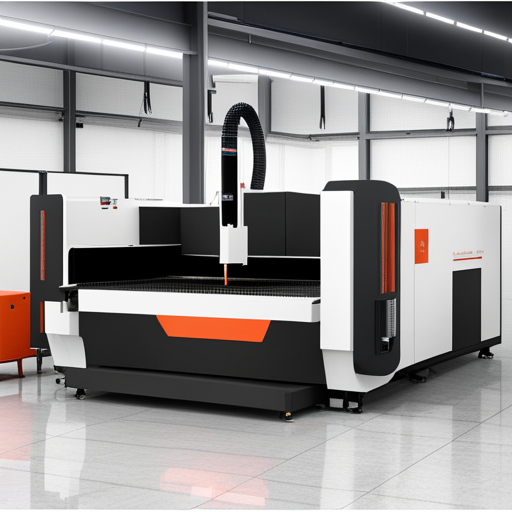
When choosing the right fiber laser cutter for your needs, several factors should be considered.
- Budget: Evaluate your financial resources and allocate a budget for this investment. Remember, while the initial cost may be high, the long-term return on investment can be substantial.
- Material Type: Understand the type and thickness of materials you will be cutting. Not all lasers are suitable for all materials.
- Production Volume: If you’re running large-scale operations with high production volumes, you might need a machine with higher power and speed. For small-scale or occasional use, a smaller, less powerful machine might suffice.
- Technical Support and Training: Look for manufacturers who provide comprehensive training and robust customer support to ensure smooth operation.
- Safety Measures: Ensure the machine has the necessary safety features to protect operators from potential hazards.
In conclusion, matching the capabilities of a fiber laser cutter with your specific needs is crucial for efficient and effective operations. Remember that the most expensive machine is not always the best fit. It’s about finding a balance between cost, capabilities, and your specific needs.
Fiber laser versus CO2 laser: Which is the better option?
When it comes to choosing between fiber and CO2 lasers, the decision depends largely on your specific application requirements. Fiber lasers are known for their superior speed and precision when cutting thin materials. They also offer low maintenance and operational costs owing to their solid-state design, making them an excellent choice for high-volume production. On the other hand, CO2 lasers excel at cutting thicker materials and can deliver a smoother finish in some cases. However, they tend to have higher maintenance costs and consume more energy than fiber lasers. In summary, while fiber lasers are generally more efficient and cost-effective in the long run, CO2 lasers might be more suitable for applications requiring intricate cuts on thicker materials. Therefore, the “better” option is contingent on your operational needs, material specifications, and budget constraints.
Factors to consider when selecting a fiber laser cutter
- Cutting Capabilities: Consider the type of material you’ll be cutting most frequently. Fiber lasers are particularly effective for cutting metals and hard plastics, but their performance may vary with different materials.
- Power Output: The power of the laser cutter is crucial for determining the speed and precision of cuts. Higher power outputs allow for faster cutting speeds but may be less efficient for thinner materials.
- Size and Footprint: The space available in your facility should also be a consideration. Ensure the machine fits comfortably without hampering operations or safety.
- Ease of Use: Look for a machine with an intuitive interface and controls. The ease of programming and operation can significantly impact productivity.
- After-Sales Support: Service and maintenance are critical for keeping your laser cutter running efficiently. Opt for manufacturers that offer strong after-sales support.
- Cost: Balancing upfront cost with operational efficiency and lifespan is essential. While fiber laser cutters may be more expensive initially, they can offer cost savings in the long run due to their lower maintenance and operation costs.
Key differences between CNC and non-CNC fiber laser cutters
Both CNC and non-CNC fiber laser cutters have their unique advantages and are suited for different applications. Here are the key differences:
- Automation: The most significant difference is the level of automation. CNC (Computer Numerical Control) laser cutters are automated and can perform complex cutting tasks with minimal human intervention. In contrast, non-CNC cutters require manual operation, limiting their ability to perform complex cuts.
- Precision: CNC laser cutters offer higher precision due to their computer-guided operation. They can produce intricate designs with tight tolerances. Non-CNC cutters, while capable of producing quality cuts, may not offer the same level of precision.
- Speed: CNC laser cutters can complete projects faster because of their automated nature. They can work continuously without requiring operator input, leading to increased productivity. Non-CNC cutters may not match this speed as they require manual operation.
- Cost: CNC laser cutters are generally more expensive due to their advanced technology. Non-CNC cutters, while less sophisticated, are more affordable, making them a good option for businesses on a tight budget or with less demanding cutting needs.
In-depth look at IPG fiber laser cutters
IPG Photonics is a leading name in the world of fiber laser technology, standing out with high power efficiency, output quality, and reliability.
Capabilities and Features of IPG Fiber Laser Cutters
IPG fiber laser cutters boast an impressive range of capabilities. They can cut through various types of materials, including metals like stainless steel, aluminum, and copper with excellent precision. This versatility renders them suitable for a wide array of industries, from automotive to aerospace and more.
IPG’s fiber laser cutters are noted for their high beam quality, which allows for tighter focus, higher processing speeds, and superior cut quality. Additionally, they offer unmatched power efficiency, with lower operating costs compared to other laser types. This means lower electricity consumption and, consequently, lower energy bills for the operator.
Ease of Operation and Maintenance
These machines stand out for their ease of operation, with user-friendly controls that simplify the cutting process. IPG’s fiber laser cutters are robust and designed to require minimal maintenance, reducing downtime and increasing productivity.
IPG Support and Warranty
IPG offers comprehensive support to its users, providing necessary training and guidance to ensure seamless operation. Furthermore, each IPG fiber laser cutter comes with a warranty, underscoring the company’s confidence in its products’ durability and longevity.
In summary, IPG fiber laser cutters are a worthy investment for businesses seeking efficiency, precision, and reliability in their operations.
Laser power and its impact on the cutting process
Laser power directly impacts the cutting process in numerous ways. The intensity of the laser beam determines the speed and ease with which the cutter can penetrate different materials. With higher power, the laser cutter can manage thicker materials and attain faster cutting speeds. However, excessive laser power can lead to melting or warping of the material. It is vital to strike a balance and adjust the power according to the type and thickness of the material being cut. For instance, while thin sheets of metal require less power, thicker blocks necessitate a powerful laser for efficient cutting. Moreover, the power of the laser also affects the precision and quality of the cut, with well-calibrated power settings resulting in clean, sharp edges with minimal burring.
Getting Started with Fiber Laser Cutting
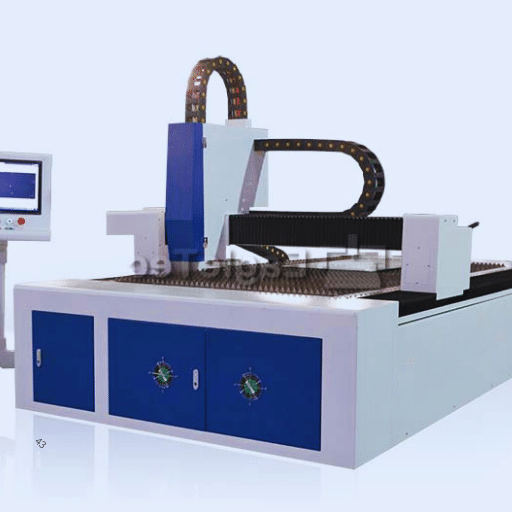
Before delving into fiber laser cutting, it’s crucial to familiarize yourself with the fundamentals. Understand the working principle of the machine, the role of the fiber laser in cutting processes, and the significance of correct power settings. It’s also essential to learn about the maintenance needs of the machine, to ensure its durability and efficiency.

Upon gaining a basic understanding, the next step involves safety training. Laser cutters, while immensely beneficial, can pose serious risks if not handled correctly. Learn about the necessary safety equipment, such as safety glasses, and safe operating procedures.
Finally, practical training is indispensable. This involves hands-on training under the guidance of a skilled operator, where you will learn to operate the machine, change settings, troubleshoot minor issues, and understand the effects of altering laser power on the cutting process. Remember, practice and patience are key when learning a new skill.
As you embark on your journey with fiber laser cutting, remember that IPG is here to support you every step of the way, providing comprehensive training, guidance, and support to ensure you’re equipped to harness the full potential of your fiber laser cutter.
Basic safety precautions when operating a fiber laser cutter
Adherence to safety precautions is paramount when operating fiber laser cutters. Here are some fundamental guidelines:
- Protective Gear: Always wear safety glasses designed for laser cutting and heat-resistant gloves. These will protect your eyes from direct and scattered laser radiation, and your hands from potential burns.
- Ventilation: Ensure adequate ventilation or an exhaust system is in place. Laser cutting generates fumes that should be properly extracted and filtered.
- No Loose Clothing or Jewelry: Objects dangling near the machine can become entangled, leading to serious accidents. Tie back long hair, and avoid loose attire and jewelry.
- Proper Training: Never operate the machine without proper training. Misuse can cause damage to the machine and pose safety risks.
- Emergency Shutdown: Familiarize yourself with the emergency stop button or procedure to halt the machine’s operation instantly in case of an emergency.
Remember, safety should always be your priority when operating a fiber laser cutter.
Tips for optimizing cutting speed and efficiency
To optimize the cutting speed and efficiency of your fiber laser cutter, consider the following tips:
- Proper Material Selection: Not all materials perform equally under a laser cutter. Evaluate the type and thickness of the material before beginning, as this will impact the speed and efficiency of your cut.
- Correct Power Settings: Adjust the power settings of your machine based on the material you’re cutting. Too much or too little power can reduce cutting speed and efficiency.
- Routine Maintenance: Regularly clean and maintain your fiber laser cutter. Accumulated debris and dust can impact the machine’s performance.
- Cutting Path Optimization: Plan your cutting path to reduce unnecessary machine movement. This can significantly increase your cutting speed and reduce wastage.
- Up-to-date Software: Ensure your machine’s software is up-to-date. New updates often provide optimizations that can enhance cutting speed and efficiency.
- Correct Lens Use: Different lenses provide different focal lengths, affecting the quality, speed, and efficiency of your cut. Ensure you’re using the right lens for your specific cutting task.
Following these tips can help you make the most efficient use of your fiber laser cutter.
Understanding the working area and its impact on the cutting process
The working area of a fiber laser cutter, also known as the cutting bed, plays a pivotal role in the cutting process. The dimensions of the working area directly influence the size of the material that can be cut. A larger working area allows for full-size sheets of materials to be processed, increasing productivity and reducing material waste by minimizing the need for pre-cutting. On the other hand, a smaller working area might be more suitable for precision work on smaller materials. The layout of the working area also influences the cutting path and hence, cutting efficiency. Optimizing the placement of your material on the cutting bed can minimize unnecessary machine movement, thereby enhancing the cutting speed and reducing power consumption. Hence, understanding and effectively utilizing the working area is crucial for maximum cutting efficiency and speed.
Exploring different types of metal suitable for fiber laser cutting
Fiber laser cutters are versatile machines capable of cutting various types of metals with precision and efficiency.
- Mild Steel: This is a popular metal for fiber laser cutting due to its excellent laser-cutting characteristics. Mild steel provides a smooth, clean cut and is often used in industries like construction and automotive.
- Stainless Steel: Known for its corrosion resistance and durability, stainless steel is another metal that’s effectively cut with a fiber laser. It’s widely used in the food service, medical, and aerospace sectors.
- Aluminum: Though more challenging to cut due to its reflective nature, cutting aluminum with a fiber laser is still possible and offers a high-quality finish. It is common in industries such as automotive and electronics.
- Copper and Brass: These are also reflective metals, yet modern fiber lasers can cut them efficiently. They are often used in the electrical industry.
- Titanium: Titanium’s high strength-to-weight ratio makes it a valuable metal for industries like aerospace and medicine. Fiber laser cutting offers a precise and clean cut on titanium.
Each type of metal requires specific laser parameters and techniques for optimal results. Understanding these requirements is vital to achieving the highest quality cut and maximizing the efficiency of your fiber laser cutter.
Key considerations for fabricating metals with a fiber laser cutter
When fabricating metals with a fiber laser cutter, several key considerations should be taken into account to ensure optimal results.
- Material Thickness: The thickness of the metal impacts cutting speed, quality, and power requirements. Thinner materials are typically cut at higher speeds, while thicker materials require more power and slower cutting speeds.
- Material Reflectivity: Highly reflective metals such as aluminum, copper, and brass can pose challenges due to the potential for the laser beam to reflect into the machine. Using a fiber laser cutter with specific settings designed to mitigate reflectivity issues is necessary.
- Cutting Speed: The speed of cutting can influence the quality of the cut. Faster speeds may result in less precise cuts, while slower speeds can improve precision but decrease productivity.
- Gas Pressure: The selection and pressure of cutting gas (usually oxygen or nitrogen) significantly affect the cut quality and speed. Higher pressures usually increase cutting speeds but may decrease quality.
- Laser Power: The power of the laser needs to be adjusted based on the type and thickness of the material being cut. Too much power can cause damage or poor cut quality, whereas too little power may not cut through the material entirely.
Understanding these considerations and adjusting your fiber laser cutter’s parameters accordingly can ensure high-quality cuts and efficient operation.
Maintaining and Troubleshooting Fiber Laser Cutters
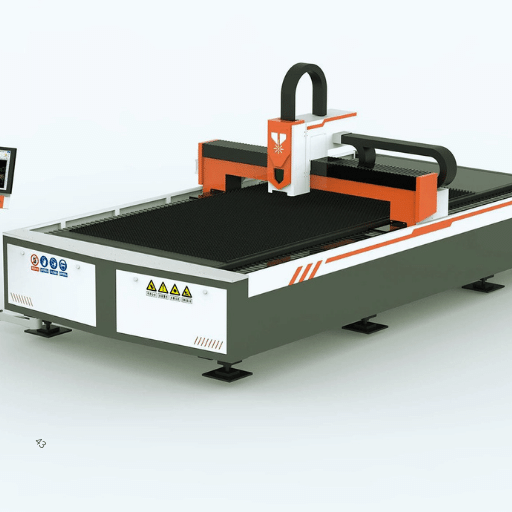
Regular maintenance and troubleshooting are vital elements for the reliable operation of a fiber laser cutter. To begin with, Cleaning the Laser Head is an integral task that should be performed regularly to prevent the accumulation of dust and debris, which can interfere with the laser’s path and reduce the overall cutting quality.
Next, Checking the Cooling System is also necessary to ensure the system is working efficiently and prevent overheating, which could potentially damage the machine.
Inspecting the Belt Drive also forms a crucial part of maintenance. Any worn-out or loose belts should be immediately replaced or tightened, as they can affect the cutter’s precision.
As for troubleshooting, the most common issues include Cut Quality Decrease, often resulting from incorrect cutting settings or a dirty lens, and Unusual Noises or Vibrations, which could be indicative of mechanical problems.
By regularly performing these maintenance tasks and swiftly addressing any issues, you can maintain the effectiveness of your fiber laser cutter and extend its useful life.
Essential maintenance tasks to ensure optimal performance
1. Regular Calibration
The calibration of the fiber laser cutter has to be checked and adjusted regularly to maintain the highest level of accuracy and precision. Misalignment can lead to poor cut quality and waste of material.
2. Lens and Mirror Inspection
The lens and mirrors are vital components of your fiber laser cutter. Regular inspection is necessary to identify any wear, cracks, or dirt accumulation. If any of these issues are found, the affected component should be cleaned or replaced immediately.
3. Lubrication
Moving components, such as the guide rails and ball screws, should be lubricated regularly to ensure smooth operation and prevent premature wear.
4. Replace Consumables
Items like nozzles and protective lenses are consumable and need to be replaced periodically. Using worn-out consumables can negatively affect cut quality and potentially damage the machine.
By adhering to these essential maintenance tasks, you can ensure the optimal performance of your fiber laser cutter and significantly enhance the machine’s lifespan.
Common issues and troubleshooting techniques for fiber laser cutters
5. Power Supply Issues
One common issue with fiber laser cutters is inconsistent power supply, which can affect the machine’s performance and accuracy. Regularly checking the voltage and ensuring that the cutter is connected to a stable power source can help prevent power supply issues.
6. Overheating
Overheating can lead to severe damage to the fiber laser cutter. Always ensure that the cooling system is working correctly and that the machine is not used beyond its recommended capacity. An overheated machine should be turned off and allowed to cool down before further use.
7. Software Issues
Software problems can range from incorrect parameter settings to software incompatibility. Always ensure that you’re using the latest software version matched with your machine’s model. If you encounter problems, consider resetting the parameter settings or reaching out to the software provider for support.
8. Fiber Laser Failure
In cases of laser failure, first, check the power supply and cooling system, as issues with these systems can cause the laser to stop functioning. If these systems are working correctly, the fiber laser module may need to be replaced.
By recognizing and troubleshooting these common issues, you can minimize downtime and optimize the performance of your fiber laser cutter.
Preventive measures to prolong the lifespan of a fiber laser cutter
Regular maintenance is key to extending the lifespan of a fiber laser cutter. Focus on the following preventive measures:
- Regular Cleaning: Conduct routine cleaning to prevent the accumulation of dust and debris that may interfere with the cutter’s operation.
- Coolant System Maintenance: Regularly inspect the coolant system for leaks and ensure it’s adequately filled with coolant. A properly functioning coolant system prevents overheating.
- Lens Cleaning and Inspection: The lens must be clean and free of any scratches or cracks. Regularly check and clean the lens with appropriate cleaning solutions.
- Software Updates: Keeping the controlling software up-to-date ensures compatibility and optimal operations. Always install updates as they become available.
- Regular Calibration: Over time, the machine can lose its precision. Regular calibration ensures accuracy and prevents unnecessary wear and tear.
- Operate within Limits: Always adhere to the machine’s operating limits to prevent overuse and overheating.
Remember, preventive maintenance can help mitigate potential issues, ensuring that your fiber laser cutter operates optimally for a longer period.
Understanding the importance of laser sources in maintenance
The laser source plays a critical role in the operation and maintenance of a fiber laser cutter. As the heart of the machine, the laser source generates the laser beam used for cutting. It’s essential to ensure that the laser source is functioning optimally, as any issue can lead to inefficiencies in the cutting process or even damage to the machine or workpiece.
Regular maintenance of the laser source involves checking for signs of wear or damage, cleaning the external casing to prevent dust build-up, and ensuring it is properly cooled during operation. It’s also important to regularly check the output power of the laser source, as a decrease might indicate an underlying issue that needs attention.
In addition, using a high-quality laser source can drastically reduce maintenance needs and extend the lifespan of your fiber laser cutter. High-quality laser sources tend to be more reliable, require less frequent maintenance, and are less likely to fail unexpectedly. Thus, understanding and maintaining the laser source is a vital aspect of fiber laser cutter maintenance.
Upgrading and enhancing a fiber laser cutter for improved functionality
Upgrading and enhancing a fiber laser cutter gives it an edge in terms of performance and functionality. There are several areas where upgrades can be implemented. For example, upgrading the laser source to a higher power can improve cutting speed and efficiency, while upgrading the cutting head can result in better focusing and precision.
Enhancements like adding an automatic lubrication system not only reduce the maintenance time but also improve the machine’s lifespan by ensuring consistent lubrication. Implementing a high-speed servomotor can enhance the machine’s speed and accuracy.
Moreover, software enhancements can also lead to improved functionality. Up-to-date software can optimize the cutting process, provide more accurate parameters, and offer better troubleshooting solutions.
Summarily, to extract maximum performance from your fiber laser cutter, consider regular upgrades and enhancements. Not only will these upgrades improve the functionality of your machine, but they’ll also lead to increased productivity and a better return on investment.
Exploring Innovative Applications of Fiber Laser Cutting Technology
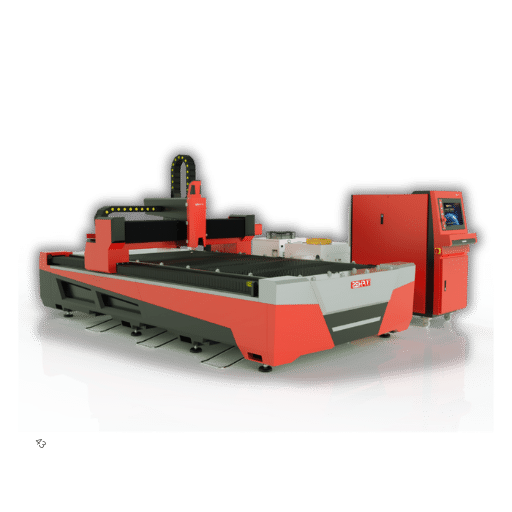
Fiber laser cutting technology has found innovative applications in various industries, pushing the boundaries of what’s possible with precision fabrication. In the aerospace industry, fiber laser cutters are used to manufacture intricate components, ensuring high levels of precision and accuracy critical to aircraft safety and performance. The automotive industry leverages this technology to manufacture vehicle parts swiftly and efficiently, contributing significantly to mass production strategies.
In the medical field, fiber laser cutters are used to create precision medical devices and surgical tools, where the smallest error can lead to significant consequences. The technology is also making its mark on the jewelry industry, enabling the creation of complex designs and personalized items with unparalleled precision. Looking forward, the potential applications of fiber laser cutting technology are vast, with its ability to provide precise, efficient, and cost-effective solutions in manufacturing and beyond.
Revolutionizing metal fabrication with fiber laser cutting
Fiber laser cutting technology is transforming the landscape of metal fabrication, providing a high level of precision and efficiency that is revolutionizing industry processes. Its ability to cut, etch, and engrave even the hardest metals with high-speed accuracy makes it an invaluable tool in this field. It allows for the fabrication of highly intricate designs, from architectural components to automotive parts, that were previously impossible or too costly to produce. Enhanced automation capabilities reduce the potential for human error and increase production speeds, contributing to improved productivity and cost-effectiveness. The environmental impact is also minimized due to cleaner cutting processes and less waste production. In essence, fiber laser cutting is setting new standards in metal fabrication, driving advancements in quality, productivity, and sustainability.
The role of fiber laser cutting in precision engraving and marking
In the realm of precision engraving and marking, fiber laser cutting technology is carving out its vital role. Its pinpoint accuracy and consistency enable the creation of fine details, intricate patterns, and permanent markings on a host of materials, including hard metals and delicate surfaces alike. Utilized often in industries requiring high precision, such as aerospace, automotive, and medical device manufacturing, fiber laser engraving technology provides a reliable method for marking parts with identifiers, barcodes, and intricate designs. Furthermore, fiber laser marking is an environmentally friendly process, producing minimal waste and requiring less energy compared to traditional methods. Thus, fiber laser cutting is not only transforming engraving and marking processes but also contributing significantly to sustainable manufacturing practices.
Utilizing fiber laser cutting for intricate sheet metal designs
Fiber laser cutting technology has revolutionized the field of intricate sheet metal design. Its high precision and accuracy allow for the creation of complex and detailed patterns without compromising the integrity of the material. Its superior speed and efficiency, compared to traditional cutting methods, result in reduced production time and cost. Furthermore, fiber laser cutting shines in its ability to handle a wide range of sheet metal types and thicknesses, including stainless steel, aluminum, and copper, with remarkable finesse. The resulting cut edges are clean and precise, requiring little to no finishing work. This technology’s capabilities extend beyond simply cutting through materials; it can also be used for etching intricate designs onto sheet metal, adding a layer of versatility to this innovative technology. Ultimately, fiber laser cutting is becoming an indispensable tool in the realm of intricate sheet metal design, significantly enhancing both the quality and capabilities of this art form.
Case studies showcasing the versatility of fiber laser cutting machines
Case Study 1: Aerospace Industry
In the aerospace industry, fiber laser cutting machines have played a pivotal role in enhancing the manufacturing of aircraft components. One such example is that of a leading aerospace manufacturer that used these machines to cut high-strength, heat-resistant materials like titanium and Inconel. These materials, notorious for their difficulty in cutting using traditional methods, were cleanly and precisely cut using fiber laser technology. This resulted in higher production efficiency and improved component quality, reinforcing the indispensability of fiber laser cutting in the aerospace sector.
Case Study 2: Automotive Industry
In the automotive industry, a renowned car manufacturer adopted fiber laser cutting technology to enhance their production line. This technology was deployed in the production of car components, where precision and speed were of utmost importance. Fiber laser machines enabled the manufacturer to cut complex designs with high accuracy, consequently reducing waste and increasing productivity. Also, the versatility of fiber laser cutting allowed for its use on a variety of materials, from steel sheets to aluminum alloys, demonstrating its value in diverse applications within the automotive industry.
Case Study 3: Jewelry Design
The jewelry industry has also embraced fiber laser cutting technology. A well-known jewelry designer successfully used fiber laser machines to create intricate patterns on precious metals like gold and platinum. Laser cutting provided the precision required for such detailed work, which was previously difficult to achieve with conventional cutting methods. This case study underscores the versatility of fiber laser cutting machines, showing they can be used for detailed, delicate work as well as large-scale industrial applications.
Future developments and advancements in fiber laser cutting technology
As we look towards the future, fiber laser cutting technology promises further advancements and innovations that will continue to revolutionize various sectors. One such development is the enhancement of beam quality, which will facilitate even more precise cutting. Additionally, advancements in AI and machine learning are expected to lead to the creation of smart laser-cutting machines, capable of adjusting parameters in real-time for optimal performance. Further research is also being conducted into more efficient cooling systems, which could significantly reduce operational costs and increase the lifespan of equipment. Lastly, the journey towards green manufacturing has fostered a focus on energy-efficient laser machines, a trend that is set to continue, making fiber laser cutting not only a powerful but also a sustainable solution for various industries.
Frequently Asked Questions
Q: How does a fiber laser cutting machine work?
A: Fiber laser cutting machines work by emitting a concentrated beam of light that is focused on the material to be cut. The intense heat of the laser beam melts, burns, or vaporizes the material, resulting in a clean and precise cut.
Q: What are the advantages of using a fiber laser cutting machine?
A: The advantages of using a fiber laser cutting machine include high cutting precision, faster cutting speeds, minimal material wastage, low maintenance requirements, and the ability to cut a wide range of metal materials.
Q: What type of metal materials can be cut using a fiber laser cutting machine?
A: Fiber laser cutting machines can effectively cut various metal materials such as carbon steel, stainless steel, aluminum, copper, brass, and more, making them versatile for different industrial applications.
Q: How does a fiber laser cutting machine differ from other types of metal cutting machines?
A: Unlike traditional cutting methods, fiber laser cutting machines use a highly concentrated laser beam to cut through metal, resulting in precise and clean cuts without the need for additional machining processes.
Q: What are some key features to consider when purchasing a fiber laser cutting machine?
A: When purchasing a fiber laser cutting machine, it’s essential to consider factors such as laser power, cutting speed, bed size, software compatibility, cooling system, and after-sales support to ensure optimal performance and productivity.
Q: Are there specific safety measures to follow when using a fiber laser cutting machine?
A: Yes, operating a fiber laser cutting machine requires following strict safety protocols, including wearing protective gear such as safety glasses, ensuring proper ventilation in the workspace, and adhering to the machine’s operational guidelines to prevent accidents and injuries.
Q: Can a fiber laser cutting machine be used for engraving metal materials?
A: Yes, in addition to cutting, fiber laser cutting machines can also be used for engraving metal materials, providing high-quality and detailed engraving with precision, making them ideal for customizing metal products and components.
Q: Can a fiber laser cutting machine be used for cutting and engraving non-metal materials?
A: While fiber laser cutting machines are specifically designed for cutting and engraving metal materials, certain models may have the capability to process non-metal materials such as plastics, wood, and composites, depending on their specifications and additional accessories.
References
- [Fiber Laser Cutting Basics: Advantages and Disadvantages](https://www.laserchirp.com/fiber-laser-cutting-basics/) – This online article provides an overview of fiber laser cutting, discussing its advantages and disadvantages. It could be helpful for readers interested in gaining a basic understanding of the technology.
- [Fiber Laser Cutting Technology: Its Evolution and Future](https://www.journals.elsevier.com) – A scholarly article published in an Elsevier journal. It provides a comprehensive look at the evolution of fiber laser cutting technology and speculates about its future.
- [Detailed Guide on Fiber Laser Cutting Machines](https://www.lasersmake.com/) – An in-depth guide offered by LasersMake, a manufacturer of laser cutting machines. It may provide readers with a practical understanding of the equipment and its uses.
- [Fiber Laser Cutting: An Industrial Revolution](https://www.industryweek.com) – An online article from Industry Week that discusses the impact of fiber laser cutting in industrial manufacturing.
- [Fiber Laser vs. CO2 Laser: A Comparative Study](https://www.mdpi.com/) – An insightful academic article published in the MDPI journal, comparing fiber laser cutting technology to CO2 laser technology.
- [Operating and Maintenance Costs of Fiber Laser Machines](https://www.fabtech.org/) – FabTech provides a detailed rundown of the operating and maintenance costs associated with fiber laser machines.
- [Fiber Laser Cutting in Jewelry Manufacturing](https://www.jewelrymakingjournal.com) – A blog post from the Jewelry Making Journal which provides a case study of using fiber laser cutting in jewelry design.
- [Advancements in Fiber Laser Technology](https://www.osapublishing.org) – This paper, published by The Optical Society, explores the latest advancements in fiber laser cutting technology.
- [Fiber Laser Cutting in the Auto Industry](https://www.forbes.com) – This Forbes article discusses the significant impact of fiber laser cutting technology in the automotive industry.
- [The Environmental Impact of Fiber Laser Cutting](https://www.greenbiz.com) – An article from GreenBiz discussing the environmental implications of using fiber laser cutting machines.
Recommended Reading: CNC Knife Cutting Machine


